 Tout a commencé en août dernier quand une jeune suédoise de 15 ans (elle en a 16 aujourd’hui) désormais célèbre, Greta Thunberg (photo) a décidé de faire la « grève de l’école pour le climat » au motif que pour un jeune cela n’a aucun sens de préparer son avenir alors que l’inaction des adultes quant à la crise climatique prive précisément la jeunesse d’avenir.
Dans le sillage de Greta
Comme une véritable héroïne, elle était seule assise sur les marches du parlement suédois. Elle est revenue avec sa pancarte semaine après semaine. Puis elle a été rejointe, puis des élèves en Australie ont fait grève eux aussi, puis elle est allée à la coop 24 où elle a eu des parole fortes, puis des élèves en Allemagne, en Suisse, en Belgique… se sont mis en grève et on manifesté pour le climat en se revendiquant de ce mouvement de grève de l’école pour le climat, agissant de façon explicite dans le sillage de Greta. Cela n’est pas encore enclenché dans la réalité en France mais les décisions sont prises, ça va bouger. Les jeunes belges sont en particulier impressionnants. Ils ont décidé de se mobiliser tous les jeudis. Ils sont passés de 3 000 à 35 000 en 3 semaines à défiler pour le climat à Bruxelles. Certains manifestants n’ont pas plus de 10 ou 12 ans ! Greta à fait sensation à Davos, le mouvement ne cesse de se renforcer. A l’appel de Greta, le 15 mars sera une journée internationale de grève de l’école pour le climat.
Les profs entrent en action
En France un collectif des enseignants pour la planète s’est constitué. Ils se sont rencontrés dans le tout nouveau mouvement extinction rébellion. Ils disent « L’urgence écologique n’est plus à démontrer. Elle est à enseigner, et elle doit nous mobiliser à chaque instant, dans nos salles de classe, salles des profs mais aussi dans la rue et dans nos luttes! C’est le sens de la création de ce collectif Enseignant.e.s pour la planète! » Ils sont déjà en quelques semaines près de 3 000 à avoir signé.
Un appel circule dans les milieux de l’éducation
“…nous déclarons que nous ne voulons plus être les instruments d’une propagande rassurante, qui rend invisible la catastrophe écologique. Nous devons au contraire dire à nos élèves que la situation est gravissime, sur le climat qui s’emballe, la biodiversité qui disparaît, la pollution qui pénètre jusque dans nos cellules, et qu’aucun diplôme ni aucune formation ne les protégera contre cela…”. L’excellent quotidien de l’écologie Reporterre a publié un article sur le sujet.
Le développement durable en question
Nous pouvons aussi lire dans l’appel : “…Les médias, les scientifiques nous l’ont assez répété. Nous le savons mais nous nous taisons. Dans nos salles de classe, nous avons accepté trop longtemps d’enseigner le « développement durable », entretenant chez les élèves l’illusion que la situation était sous contrôle, prise au sérieux par les gouvernements du monde…”. Beaucoup d’acteurs de l’éducation à l’environnement apprécieront cette remise en question du développement durable. Ce concept, parachuté du haut dans les années 90, a encombré les réflexions, les échanges et les actions en faveur de l’environnement dans le monde éducatif depuis plus de 20 ans. Adoptons pour de bon le terme « transition » qui lui vient de la base et clairement aujourd’hui, à toutes et tous, s’impose.
Les Educations nationales n’ont pas assuré
De voir tous ces enfants et ces jeunes dans l’émoi cela devrait nous alarmer au plus haut point. Ils disent l’incapacité des adultes à mettre en œuvre ce qu’il faut pour stopper l’effondrement que nous vivons. Il n’y a pas qu’en France, il semble bien que ce soit dans tous les pays que les systèmes éducatifs étatiques n’ont pas assuré. Ils n’ont pas tenu compte des recommandations faites par les grandes conférences internationales sur l’environnement. Dés à Stockholm en 1972, il avait été dit et acté dans le principe 19 qu’il est « essentiel de dispenser un enseignement sur les questions d’environnement aux jeunes générations aussi bien qu’aux adultes … »cela n’a pas été fait ou alors vraiment du bout des doigts. Il faut totalement repenser l’éducation.
En nous, on le sent, l’espoir renait
Nous n’avons pas besoin de jeunes obéissants qui savent apprendre par cœur et bardés de diplômes. Nous avons besoin de jeunes autonomes, confiants en eux, sachant prendre des initiatives, sachant travailler en groupe, des jeunes créatifs, proches de la nature pour l’avoir beaucoup fréquenté dès leur plus tendre enfance. Il y va maintenant de la survie de l’espèce humaine. Soit nous savons prendre les bonnes initiatives, nous-mêmes, pour notre économie domestique et celle de nos territoires locaux partout dans le monde ou alors nous continuerons d’aller à la catastrophe. Avec Greta, avec ces dizaines de milliers de jeunes qui se lèvent dans tous les pays, en nous, on le sent, l’espoir renait, aidons les !
Roland GERARD

 Press and Media are warmly welcome to attend the 10th World Environmental Education Congress in Bangkok (3-7 November 2019). In order to attend as press you need to submit an official press ID specifying media affinity to media@weecnetwork.org and wait for an acceptance letter from the Organizing Committee in order to register as media. Fill the press accreditation form and send it to media@weecnetwork.org
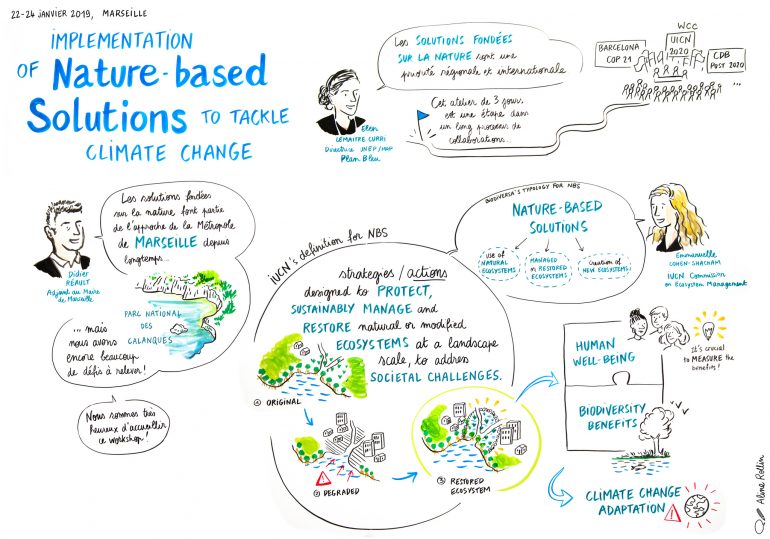 Researchers, practitioners and policy makers from the Mediterranean region and the European Union met to discuss the benefits and challenges of implementing Nature Based Solutions (NbS). From 22 to 24 January, 2019, the city of Marseille hosted the workshop entitled
  BE.Hive: Climate Change Needs Behavior Change is a one-day summit to explore global climate change through the lens of human behavior.
 We want to analyze how an experimental curriculum in Environmental Education in the era of Anthropocene requires a multi-disciplinary and a multi-scale approach. Through the presentation of examples and case studies, we intend to show how an environmental thinking framework has to include simultaneously:
 The World Bank estimates that there are about 370 million Indigenous people living worldwide in over 90 countries, accounting for 4,8% of the world’s population. Almost 80 percent of these are located in Asia and more than one-third in China alone. This type of ancestral knowledge and expertise on how to adapt, mitigate and reduce disaster risks has been internationally recognized as a support for the modern methods to cope with the imminent effects of climate change. Further, indigenous education can be an example of what a sustainable life means: a non-anthropocentric experiential transmission of coexistence with nature, based on mutual respect and a deep sense of belonging. Any knowledge (epistemology) can “be useful or useless, politically salient or meaningless, socially relevant or irrelevant, empirically testable or irrefutable, ideologically open or blind, without reference to whether it is indigenous or scientific” (Arun Agrawal). However, conitnuing pressure to maintain living standards in the industrial countries imply devastating socio-economic and territorial changes for indigenous peoples all over the world. The Their livelihoods are contaminated by raw material extraction and deforestation processes, and actions that force them to enter into market dynamics as the only way to survive and protect their territory.
 Tout a commencé en août dernier quand une jeune suédoise de 15 ans (elle en a 16 aujourd’hui) désormais célèbre,
 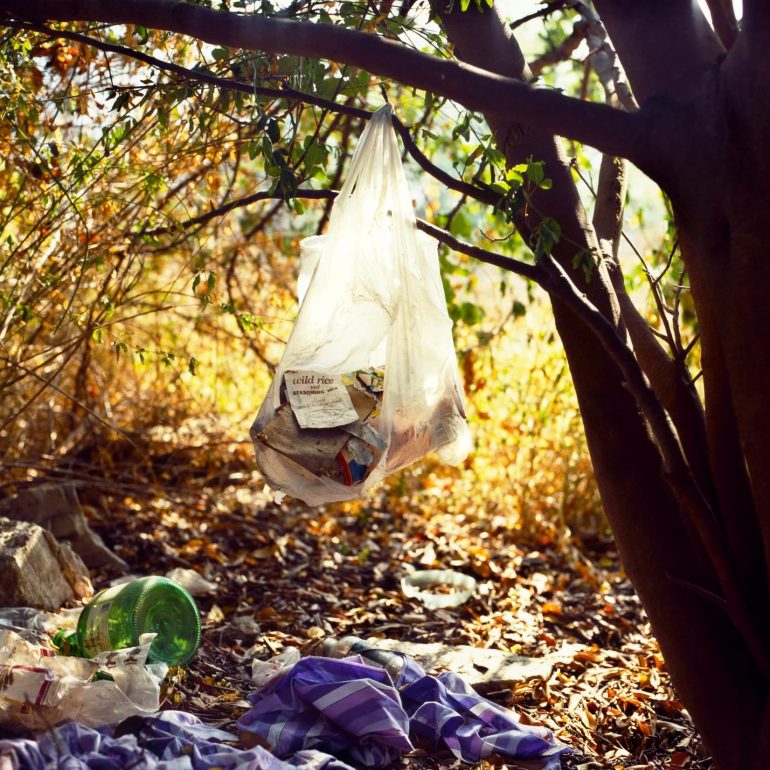 Fundación MAPFRE is launching its 2019 season with the first exhibition to be held in Spain on the American photographer Anthony Hernandez (born Los Angeles, 1947), which will also be the first major retrospective devoted to him. Featuring more than 110 photographs, “The confusing gaze of Anthony Hernandez” will offer an extensive survey of Hernandez’s lengthy and prolific career while also celebrating his distinctive and unique style of street photography and its significant evolution over time.
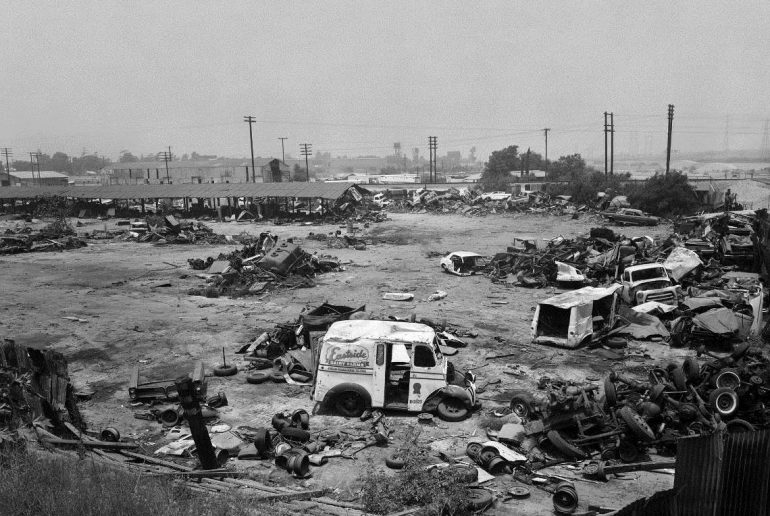 In his photos of Los Angeles, Hernandez avoids any overt form of cliché, using his camera to capture anonymous citizens going about their business, waiting for buses or engaged in simple pleasures designed to help cope with their daily lives. Neither does the photographer shirk from more distressing issues such as homelessness, evictions and those affected by economic crises. However, his images go far beyond mere social documentation, in that all his work reaffirms his interest in formal beauty and composition.