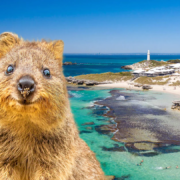
Propose your idea for an Offsite Tour at the 13th WEEC Congress in Perth

The 13th WEEC will be held from September 21 to 25, 2026, in Perth, Western Australia. This international event, held biennially, brings together thousands of people from over 100 countries, including university professors, government officials, journalists, political representatives, businesses, NGOs, and international organizations. After twenty years of editions that have helped define the global landscape of environmental education, the 2026 congress promises to be a unique opportunity to address crucial issues for the future of our planet.

The Congress Theme: Reconnecting Resilient Cultures

The central theme of the 2026 congress will be Reconnecting Resilient Cultures. In a time when environmental and social challenges are constantly rising, it is essential to promote the resilience of communities through education that recognizes and values the connection to the land, cultural traditions, and ancestral knowledge.

The main themes of the congress will include:

  • Connection to Country: A deep analysis of the bond that Indigenous and non-Indigenous populations have with their natural environment, and how this connection can be strengthened to promote sustainability.

  • Beyond Regenerative Understanding: Exploring the concept of sustainability and regeneration, going beyond simple conservation to embrace an approach that creates lasting value.

  • Reclaiming and Revolutionising Education: Reflecting on how education can be reimagined to respond to environmental challenges, through innovative and inclusive approaches.

  • Inspiring Change and Empowering Agency: How can we inspire citizens to become agents of change and promote collective action to address environmental crises?

  • Decision Making and Sense of Justice: The importance of making inclusive and fair decisions for sustainability, considering the voices of all communities involved.

  • Power of Partnerships and Shared Outcomes: Strengthening alliances between local and international actors to achieve common sustainability goals.

Save the Dates: Abstract Submission and Registration Opening Soon

The congress organizers are excited to announce that abstract submissions and registration will open soon. This will be a critical moment for researchers, educators, activists, and other professionals in the field to share their experiences and research on vital topics for the future of environmental education.

Stay tuned! The platform for abstract submissions and registrations will open soon, so get ready to be part of this global event.

Offsite Tours: An Opportunity to Discover the Natural and Cultural Beauty of Western Australia

In addition to participating in the congress, you will have the opportunity to explore the natural beauty and cultural heritage of Western Australia through a series of offsite tours. These tours, taking place during the congress, are designed to enhance attendees’ experience by immersing them in the breathtaking landscapes and vibrant culture of this unique region.

If you are interested in contributing to the organization of a tour, the call for Expression of Interest is now open. Proposals are welcome from both local groups and those from outside of Western Australia. The tours could include themes such as the region’s unique biodiversity, Aboriginal culture, and other educational and immersive experiences that will enrich the congress.

Propose Your Idea for a Tour

Imagine exploring the iconic Pinnacles Desert, discovering the Karri rainforest, or experiencing a traditional Aboriginal ceremony. Perth offers an incredible range of natural and cultural experiences that can be explored during the congress.

If you wish to organize a tour, you can submit your proposal through the Expression of Interest form available online. The deadline for submitting your expressions of interest is March 31, 2025. Don’t miss the opportunity to be part of an event that promises to be truly unforgettable!

Link for Expression of Interest: Expression of Interest – Tours WEEC 2026

The 13th World Environmental Education Congress represents a remarkable opportunity to bring together people and ideas from all over the world, with the goal of promoting a deep connection between resilient cultures and the environment. It’s not only a conference but also an opportunity to discover and celebrate the natural and cultural richness of Western Australia. Mark your calendars and get ready to join us in Perth in 2026!

Follow us on social media and subscribe to our newsletters to stay up to date!

Subscribe to the Mailing List for the 13th WEEC.

Subscribe to the Mailing List and become a member of the WEECNetwork.
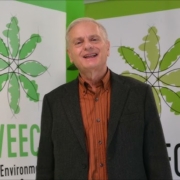
Join the 13th WEEC Congress: an invitation from Professor Mario Salomone

The 13th World Environmental Education Congress (WEEC) is fast approaching, and there’s no better way to get involved than by watching the special invitation from Professor Mario Salomone, the General Secretary of WEEC Network.

This message, now available on WEEC Network TV on YouTube, encourages individuals, organizations, and institutions dedicated to environmental education to participate in this important global event.

The Importance of Environmental Education

As we all know, the world is facing a series of interconnected environmental crises, from climate change and loss of biodiversity to growing inequality and poverty. These challenges are compounded by rapid technological advancements, globalization, and the urgency of sustainable development. In light of these issues, education plays an even more critical role in shaping a sustainable future. Through environmental education, we can empower individuals, communities, and organizations to make informed decisions, advocate for policies that promote sustainability, and drive innovations that protect our planet and future generations.

Professor Salomone’s invitation highlights how environmental education can bridge the gap between knowledge and action. As he mentions in the video, the congress will provide an essential platform to reflect on the current state of environmental education and explore the necessary transformations to address the accelerating pace of environmental change. Environmental education is not only about raising awareness of issues but also about providing the tools, strategies, and solutions that will enable us to respond to challenges with resilience and creativity. By bringing together people from diverse cultural, geographical, and professional backgrounds, the congress will offer valuable opportunities for learning, collaboration, and cross-cultural exchange.

The Theme of the 13th WEEC Congress: Gondwana

The theme for the 13th WEEC Congress is “Gondwana: A Meeting of Cultures, Knowledge, and Sustainability.” This theme draws inspiration from the ancient supercontinent of Gondwana, symbolizing the interconnectedness of the world’s cultures, ecosystems, and educational systems. Just as the continents of Gondwana were once part of a unified landmass, so too must we come together to address the global challenges we face. This theme reinforces the need for a global, collaborative approach to sustainability, where different cultures and knowledge systems can contribute to finding solutions.

The congress will explore how environmental education can serve as a catalyst for global cooperation in the face of climate change and other pressing environmental issues. It will be an opportunity to showcase innovative practices, policies, and strategies from around the world, as well as to engage in meaningful dialogue about the future of education and sustainability. Whether you are an educator, a researcher, a policymaker, or someone passionate about environmental change, the 13th WEEC Congress will provide a platform to share ideas, build partnerships, and learn from the best practices of others.

A Call for Global Collaboration

One of the most exciting aspects of the 13th WEEC Congress is its focus on inclusivity and collaboration. Professor Salomone’s invitation encourages everyone—from teachers and students to NGOs, government officials, and business leaders—to come together and contribute to the global movement for sustainability. The congress is designed to be an inclusive space, where voices from all corners of the world are heard, and everyone has the opportunity to contribute to the solutions we need to build a sustainable future.

Environmental education is a field that requires diverse perspectives, especially in the face of complex global challenges. The congress will bring together experts and activists from various sectors and regions, creating a rich tapestry of ideas, experiences, and knowledge. This will not only help to address the urgency of environmental issues but also ensure that solutions are more equitable and culturally appropriate.

Why Attend the 13th WEEC Congress?

The 13th WEEC Congress is an extraordinary opportunity for anyone interested in environmental education and sustainability to expand their knowledge, grow their network, and contribute to meaningful change. Through workshops, keynote sessions, panel discussions, and networking opportunities, participants will have the chance to engage with cutting-edge research, learn about innovative educational practices, and collaborate on solutions that address the critical issues we face.

The congress will focus on several key areas, including climate change education, biodiversity conservation, sustainable development, and the role of education in shaping responsible global citizens. It will also provide ample opportunities for participants to share their own experiences and best practices in environmental education, creating a collaborative space where learning and action go hand-in-hand.

Get Involved Today

To watch Professor Salomone’s invitation and learn more about the 13th WEEC Congress, head over to WEEC Network TV on YouTube. This video offers a compelling introduction to the congress and its objectives, as well as a glimpse into the exciting opportunities that await participants in Perth, Australia, in 2026.

In the meantime, visit the official congress website at www.weec2026.org for more details on registration and other important information. The 13th WEEC Congress is just around the corner, and we encourage you to stay connected and become part of this global movement for a more sustainable future. Together, we can create the change we want to see in the world.

Let’s Work Together for a Sustainable Future

As Professor Salomone so powerfully states, “Hope animates us, and we do not want to put limits on it.” The 13th WEEC Congress is an opportunity for all of us to unite, share our hope, and work toward a sustainable future through education, collaboration, and action. We hope to see you in Perth, Australia, in September 2026, where we can take part in a transformative event that will shape the future of environmental education for generations to come.

Let’s make a difference together—don’t miss this chance to be part of the solution. Visit www.weec2026.org today to learn more and get involved.

Countdown to the 13th WEEC Congress: discover themes and topics!

With a year and a half to go, excitement is building for the 13th World Environmental Education Congress (WEEC), set to take place in September 2026. Centered around the main theme, “Reconnecting Resilient Cultures,” the congress promises to bring together global experts, educators, and activists in the field of environmental education to discuss the latest trends, share knowledge, and shape the future of sustainable development. As we approach this landmark event, we are reminded that soon, the call for paper and abstract submissions will open, giving potential speakers the chance to contribute to this global conversation.

The 13th WEEC will be a unique platform for showcasing cutting-edge research, innovative teaching methods, and transformative ideas that are helping to reshape the world of environmental education. It is an opportunity to not only share insights but also connect with colleagues from diverse backgrounds who are passionate about making a difference in their communities and beyond.

Themes for WEEC 2026

The themes for WEEC 2026 have already been outlined and serve as the backbone of the event. These themes emphasize the intersection between environmental education and transformative global change, focusing on both urgent environmental issues and long-term sustainable solutions. Some of the key topics include:

  • Education for Sustainability: Exploring how education can drive global sustainability goals, including climate action and biodiversity preservation.
  • Youth and Environmental Education: The role of youth in environmental activism, advocacy, and education, with a particular focus on how to engage young people in meaningful ways.
  • Innovative Pedagogies: The adoption of new teaching methods, digital tools, and practices that can enhance environmental education.
  • Policy and Education: Understanding how policy frameworks can support environmental education initiatives at local, national, and global levels.
  • Community-Based Education: Approaches that prioritize local knowledge and community-driven solutions for sustainability.

At the heart of these discussions is the main theme, “Reconnecting Resilient Cultures,” emphasizing the importance of rediscovering and strengthening cultural resilience as a pathway to sustainable futures.

These topics, among others, will guide the sessions at WEEC 2026, ensuring that all contributions address the most pressing challenges and opportunities in environmental education today.

Session Formats: Engaging Audiences and Sharing Knowledge

One of the most exciting features of WEEC 2026 is the variety of session formats that will be offered to engage attendees. Whether you are a researcher, educator, or community leader, there will be a space for you to share your ideas, collaborate with others, and learn from diverse perspectives. The session formats are designed to foster interaction, collaboration, and deep engagement, allowing participants to maximize their experience at the congress.

Here’s a closer look at the session formats available:

  1. Traditional Sessions: These are standard presentations where speakers will present their research or initiatives to an audience. These sessions typically include time for Q&A, enabling attendees to engage directly with the presenters.

  2. Workshops: Designed to be highly interactive, workshops will provide opportunities for hands-on learning. Participants can engage in practical exercises, group discussions, and collaborative problem-solving activities.

  3. Panel Discussions: These sessions will feature experts from different sectors discussing key issues, followed by an open discussion with the audience. Panel discussions aim to address complex topics from multiple perspectives, encouraging diverse viewpoints.

  4. Roundtables: In these smaller, more intimate sessions, participants can engage in focused discussions around specific themes or challenges in environmental education. Roundtables are ideal for networking and building collaborative partnerships.

  5. Poster Sessions: Researchers and practitioners will have the opportunity to present their work visually through posters, allowing attendees to engage in one-on-one conversations about their projects.

  6. Interactive Formats: These may include activities such as debates, role-playing, or participatory exercises that encourage attendees to actively contribute to the learning process.

Call for Submissions: Get Ready to Share Your Work

As the date draws nearer, WEEC is preparing to open submissions for papers and abstracts. If you are interested in presenting at the congress, now is the time to begin preparing your proposals. Whether you’re conducting innovative research, developing new educational strategies, or pioneering community-based initiatives, WEEC 2026 offers a platform to showcase your work and make an impact on a global scale.

Make sure to visit the WEEC 2026 website regularly for updates on submission deadlines, guidelines, and other important information. This is your chance to contribute to the global conversation on transformative environmental education!

For more details about the themes and session formats, visit the official website here. We look forward to seeing how you can contribute to this landmark event!