From Africa to Europe, from Brazil to the United States, projects and participants of the World Environmental Education Day 2025

The World Environmental Education Day is celebrated on October 14th, this date marks the anniversary of the 1977 UN Conference in Tbilisi, Georgia, where it was agreed that environmental education plays a vital role in safeguarding and enhancing the global environment. But since the establishment of World EE Day, the WEEC Network – founder of the initiative – has encouraged organizations worldwide to initiate activities and projects focused on environmental education throughout October. From conferences to workshops and academic research projects, we received numerous submissions through our online platform.

This final report highlights some outstanding and impactful projects from across the globe for this year’s World EE Day.


AFRICA

From the Democratic Republic of the Congo, James Safari Kamera presents a reforestation project in the area affected by natural disasters. “My motivation for my project – he explains – stems from several factors, including the desire to contribute to environmental preservation, the positive impact on local communities, and the will to address the challenges posed by natural disasters to riverside communities. This project is crucial for restoring degraded ecosystems, preventing soil erosion, and mitigating the risks of natural disasters such as landslides. By implementing this project, we can contribute to rebuilding and strengthening the resilience of this region, which is facing significant challenges.  https://www.mkaajimpya.org


The problem of food waste and its valorisation is at the heart of the project presented by Frederick Kakembo (Uganda): “We plan to upscale food-waste recycling for commercial-scale production of livestock feeds and bio-fertilizers. In Uganda, 30%–50% of harvested fruits and vegetables; and 20% -25% of root crops are lost annually before reaching consumers. Over 768 metric tons of food-waste are generated daily in Kampala city; and disposed in over-stretched landfills, non-gazetted dumpsites and open areas. It emits greenhouse gases and leaks leachate into underground water sources. FW dumped in water channels clog drainage, causing severe floods. It also generates unpleasant odors and habits mosquitoes, flies and rodents. Youths are skilled and equipped to process Food-waste into nutritious livestock feeds and bio-fertilizers. Hybrid biomass-solar energy is applied in the recycling devices. Food-waste is also used as feeds in the rearing of Black-soldier-fly-larvae to substitute fish-meal (FM) and soya-meal (SM). The increasing scarcity and costs of the two are attributed to over-fishing and climate variability.

https://stkizitohighschoolug.com/


Another proposal from Uganda is made by Bruno Muyunga: “the Environmental Education as a Nurtured School Culture initiative – he explains – aims to transform St. Mark’s College Namagoma into Uganda’s first Environmental Education Hub, integrating sustainability into teaching, learning, and community action”. Led by Bruno Muyunga, ICT Officer and Youth Leadership Committee Member for Eastern and Southern Africa at the 13th WEEC, the project will train teachers, empower students, and create replicable green models across Uganda. With a seed budget of $40,000, the initiative targets 3,000+ students, 50 teachers, and 30 schools, making education a catalyst for environmental sustainability and regional youth empowerment.

https://www.stmark.sc.ug/


Ghoukhi Sofiane (Algeria) presents the Algerian Association for the Promotion of Environmental Volunteer Work, established on 2024. This national association aims to promote environmental volunteer work in Algeria. Activities include: environmental education in schools, and environmental volunteer work projects for young people over 18. (

https://aaptve.asso.dz


“To commemorate World Environmental Education Day, our organization “The Green Environment and Climate Change Initiative -GRENCHI) organizes an “Art for Environmental Education” symposium designed to engage secondary school students and their teachers in creative learning for sustainability – says Mmachukwu Obimdike (Nigeria) – The project uses art as a powerful tool to communicate environmental themes, enabling them to express their understanding of climate change, biodiversity loss, deforestation, and waste management through artistic drawing and painting”.

The program culminates in an Eco-Art Exhibition and Showcase, where students present their artworks explaining the connection to nature and the importance that will drive positive impact. This exhibition serves as both a platform for environmental advocacy and a celebration of student innovation in addressing ecological challenges. The project aims to directly engage at least 100 students and 10 teachers across 10 secondary schools, with expected outcomes including:
1. Increased environmental literacy and awareness among students
2. Creation of at least 50 student-led eco-art pieces
3. Strengthened teacher capacity to integrate sustainability into lesson plans.

https://grenchi.org/


David Kariuki Njoroge (Kenya) planned to plant 10.000 trees seedlings for 8 days (from 1 to 10 October to 2025.


AMERICA

Zoe Redfern-Hall, from Climate generation (USA) proposes a free virtual workshop: “we explore how our emotions about climate change can impact how we engage with the realities of a changing world on our own, how we show up for our students, and our capacity for resilience. Together, we ground ourselves in a meditation specifically designed for climate educators. We then discuss how to tune in one’s own emotions, followed by an interactive exercise. We conclude by sharing practical tools, like the Climate Emotions Toolkit, that can help you bring these concepts into the classroom.
We understand that some of these workshops do not work for educator’s schedules, so all registrants receive a recording and additional resources to their e-mail within 1 week of the event. We are striving to make our events more welcoming to all, with specific goals about racial equity and inclusivity.
https://climategen.org/blog/events/understanding-climate-emotions-for-personal-resilience/


 Marcos Vinicius Campelo Junior (Brasil) propose an intergenerational approach: “extending longevity is one of the most significant challenges facing contemporary society – he says – posing new social, economic, and environmental challenges. In this context, universities open to seniors, such as the University of Maturity (UMA), play a central role in promoting active aging, valuing the accumulated experience of older adults, and building intergenerational bonds. Among the projects developed by UMA, the Environmental Education program stands out, which seeks to integrate the knowledge of maturity with sustainability perspectives and the Sustainable Development Goals (SDGs) of the United Nations (UN) 2030 Agenda. Thus, UMA will conduct an Environmental Study activity with its students. This will be an outdoor activity, researching environmental and social issues in the vicinity of the university, which will involve discussion and problematization of socio-environmental issues faced by the community in the region.


EUROPE
Conservation of ‘white crowberry plant’ engages students to halt biodiversity loss – The Emc2 project “Exploring white crowberry Coastal Habitats”, presended by Alexandra V. Abreu Researcher at INIAV, I.P. and MARE-CENTRE, NOVA University (Portugal), has been empowering young people from Caminha schools to collaborate in white crowberry plant conservation (scientific name – Corema album) since 2016. This is a wild plant species, whose female plants bear white edible fruits. This plant only exists in Portugal and Spain (Iberian endemism) and its distribution area is declining, with extirpation processes occurring at several Iberian coastal areas. To halt biodiversity loss and this species extirpation at Caminha, between 15th and 18th october 2025, at Portuguese northern mainland coastal zone, for the ‘Foz do Minho white crowberry’ declining population, which exists at Moledo beach dune and Camarido Forest (in Caminha), approximately 100 Caminha School students and 30 Scouts from the Seixas Scouts Group, actively participate in planting at wild ca. 4000 plants obtained from stem propagation. This initiative has the support of MARE-Centre, INIAV, I.P., Caminha School teachers, under the coordination of NGO COREMA Association, within a partnership with ICNF, the Municipality of Caminha, the Union of Parishes of Moledo and Cristelo and the CNE (Scouts).

https://www.mare-centre.pt/en/proj/emc2


Eva Neumayer (Hungary) presents the Magosfa Foundation NGO. “The Magosfa Foundation for Environmental Education and Eco-tourism (https://www.magosfa.hu/; https://www.facebook.com/Magosfa) has been working to preserve natural, cultural, and human values since 2003, primarily in the Danube Bend and Börzsöny regions in Hungary. At the same time, we have numerous projects in other parts of the country, including Budapest, as well as internationally.
As our goals include educating the younger generation about sustainability and environmental awareness, and developing new educational materials at national and international level, we, among other things:
• hold school lessons, workshops, and extracurricular programs for students on various topics;
• we publish awareness-raising publications and participate in regional events with stands to strengthen green awareness among adults and children;
• we publish publications and teaching aids for teachers; we organize teacher training courses on topics such as sustainability education and field education; We develop teaching materials, such as the biomimicry teaching material on the website https://biolearn.eu/ (together with project partners);
• we publish and distribute field guides that can be used during field education or hiking (e.g., leaf, stars, track, and droppings guides).

We have been operating and developing the Kismagos Forest Education Centre and Accommodation (http://www.kismagos.hu/) for 13 years in Kismaros, at the gateway to the Börzsöny Mountains. Here we organize environmental education and forest school programs for elementary school classes, among others, but we also host numerous other programs (including those organized by external parties).
Our educational activities also include adult education: we have organized several training courses on sustainability, nature studies, organic farming, local product production, and ecotourism. Promoting the spread of local products is one of our primary goals, and we work in this area in a number of ways: we promote local products at events and through information boards set up in town centres, as well as through professional lectures.
In addition to this, we organized river clean-up campaigns, provided environmental advice, and made nature conservation information boards.

Activity for WEEDay:
On October 18th, 2025 we plan an event for our volunteers and environmental educators, teachers around us. This day is planned to introduce our EE programs, new modules, projects, plans to the volunteers. We expect about 50 people for this event.
The planned program and topics:
• We can start our 3rd three years long project about biomimicry in education together with an international partnership in November 2025. See the website of our previous projects here: https://biolearn.eu/en. The title of our new Erasmus+ project (coordinated by BiomimicryNL) is Biomimicry Experts for Sustainable Teaching (BEST). Within the project we plan to organise teacher training, and summer camp for teachers; develop and improve teaching materials; establish a more extended biomimicry teacher network; creating online hubs and biomimicry centres.
• Another biomimicry news is that we have a biomimicry exhibition for renting (for free). It consists of 5 roll-ups and shows the most common and inspiring biomimicry examples.
• We take part in “Green Europe Training for Students”. The Friends of Earth Europe (Magyar Természetvédők Szövetsége – https://mtvsz.hu/) elaborated mini training sessions for double classes in sustainability topics for 7-12th graders. We take part in the network and can go to schools to offer this training.
• We have several modules we offer for school groups in our outdoor education centre. We also have had the topic “soil” for years, but it didn’t sound too interesting, as nobody really asked for it (!) Until this autumn. In the last weeks 4 groups asked for it, so we were forced to renew this module. We can say that the 5th graders were really enthusiastic, so we would like to introduce it to the teachers.
Also, mushrooms are very popular and quite a new module of ours that we are willing to introduce to teachers and environmental educators.
The cost of the day is approx. 12€/person.

https://www.magosfa.hu/


Katerina Vlassopoulou, Managing Director of NGO ECOSoφia (Greece) says: “We live in a paradox: never before have we understood so much about our planet’s limits, and never before have we ignored them so profoundly. The climate crisis, biodiversity loss, and pollution are not just environmental issues—they are failures of imagination, responsibility, and education. If we want change, we must start with young people. They need the tools to see through misinformation, to think critically, and to design solutions together. Education must move beyond facts—it must empower. This project (Ecosofia) does exactly that. It equips students with the skills to question, to collaborate, and to act. It turns them from passive learners into protagonists of change, ready to reimagine their place in the world and shape a future that is fair, sustainable, and livable for all. Because growing back the planet starts with growing empowered minds”.

https://www.ecosofia.net


Ana Maria Todoran (Romania) of the GEYC Association presents the “Danube Caravan: Celebrating World Environmental Education Day through Youth Empowerment”. The Danube Caravan, under the umbrella of the European Project “Thirsty for Solutions”, is an educational event that takes place between October 13–17 in Călărași, Fetești, Brăila, and Galați (Romania). The “Thirsty for Solutions” project aims to promote sustainable development and raise awareness about the need for free drinking water in public spaces in Romania. The Danube Caravan is part of a long tradition of GEYC Association, as GEYC also did other series in different regions of Romania, such as Maramureș, Dobrogea, Mureș or Banat.
The main goal of the Danube Caravan is to bring young people closer to the values of the European Union, while encouraging them to explore the complex relationship between people and their environment. Through interactive activities, workshops, and community discussions, young participants will address pressing issues such as free and public access to water and the sustainability of urban environments, directly contributing to the SDGs, especially SDG 3, 4, 11 and 13.
During the Danube Caravan days, the participants have the opportunity to collaborate with their peers into analysing the challenges in their community and finding the solutions. The activities also deepen their understanding of local and European governance, providing insight into how decisions are made and how to effectively advocate for the rights and needs of their communities.
“We aim to invite at least two decision-makers to two of our targeted communities – says Ana Mria Todoran – so that the youth can engage in direct dialogue with them to promote the active participation of young people in democratic life in Europe. Following the Caravan, these events won’t only raise awareness, but also allow and empower the participants to take part in meaningful actions, such as organising local campaigns, volunteering or contributing to dialogues with local authorities, that make their communities more environmentally friendly, livable and equitable”.

https://www.geyc.ro/


Ornella Salimbene (Italy) presents the PA-MAP project.

  1. INTRODUCTION. The project PA-MAP – Participatory Approaches for Atmospheric Monitoring in Urban Environments received funding from the European Union’s Horizon 2020 research and innovation programme under the Marie Skłodowska-Curie grant agreement No. 945380, and is carried out within the framework of the EUTOPIA programme.
    It was hosted by the University of Ljubljana, specifically at the Chair of Spatial Planning, Faculty of Civil and Geodetic Engineering and co-host at the Universitat Pompeu Fabra (UPF) – Planetary Wellbeing Research Centre. PA-MAP is coordinated by Dr. Ornella Salimbene.2. OVERVIEW. PA-MAP aims to promote sustainability education and environmental awareness through the direct involvement of students, teachers, families, and local communities. The initiative is aligned with the United Nations Sustainable Development Goals (SDGs), in particular:
    • SDG 3 – Good health and well-being
    • SDG 4 – Quality education
    • SDG 11 – Sustainable cities and communities
    • SDG 13 – Climate action
    Through experimental activities, educational laboratories, environmental investigations, and co-design processes, PA-MAP seeks to:
    •monitor air quality and other environmental parameters in urban school contexts;
    •develop innovative educational tools and participatory methodologies, including the ORPAC methodology (Observe, Reflect, Plan, Act, and Change) – a participatory approach designed to engage students in a cycle of observation, critical thinking, planning, practical action, and transformation, fostering both scientific knowledge and active citizenship;
    •strengthen the link between schools, research, and local administrations;
    •raise awareness among younger generations and communities on climate resilience and sustainability.
    The project is implemented in four European cities – Ljubljana-Slovenia, Contursi Terme (SA)-Italy, Turin-Italy, and Barcelona (Spain) – each characterized by specific educational activities and territorial actions, developed in collaboration with local and international stakeholders. In each city, a dedicated team Air Quality Team (AQTEAM) was established, identified with the initial of the city involved.
    In October, on the occasion of the World Education Day, PA-MAP will organize two conferences to present the educational book on climate change and air pollution, which was collaboratively written by the children involved in the project.


Another interesting proposal from Italy comes from Maria Chiara Fornari, an environmental education teacher at the CIOFS Professional Training Institute in Parma. On October 14th, to celebrate Environmental Education Day, she took a class on a tour of the Picasso Food Forest in Parma, the first experimental urban and public food forest in Parma and perhaps the first in Italy. Launched in December 2012, self-funded by citizens and activists, the project aims to create a public food forest whose fruits are available to the citizens of Parma. A “public park” where trees and plants, in addition to being decorative, provide shade and oxygen, also provide food for the city’s residents. Residents can observe the evolution of this small ecosystem both year-round and seasonally. They will see the young trees mature into adults over the years, and the flowers develop into fruit and then seeds over the seasons.

https://www.ciofser.org/


Sabina Magagnoli (Italy) PhD Candidate in Sustainable Development and Climate Change planned the seminar “Eco-pedagogy in the Anthropocene” for upper secondary school teachers. The seminar was held in the main hall of the Aldini-Valeriani Technical-Vocational Institute in Bologna, Italy, on 16 October 2025.


Finally, also from Italy, environmental guide Elisa Steccanella suggests involving schools in a short nature excursion to teach children about the importance of biodiversity and illustrate the most curious animals and plants found in the woods near the city. “My motto – she says – is to know to avoid fear, to know to protect”.
https://www.mammalupagae.it/


ASIA and OCEANIA

Sultan Al Shehhi (UAE) proposes a project called “Preserving Blessings,” which collects good-quality food, clothing, and furniture and redistributes them to those in need, instead of discarding them and adding to the volume of waste in landfills. “We also recycle food waste into fertilizer and animal feed – he explains – and recycle cooking oil into biofuel. We set a cultural precedent by hosting the first and second World Conferences on Preserving Blessings in the UAE”.


Another proposal coming from the UAE is that of professor Watfa El Hour teaching in a private school in Abu Dhabi. He presents their Aquaculture project in the following video

https://weecnetwork.org/wn/wp-content/uploads/wpforms/5067-fd1fb71b474fd63b16e9dd6ca58c5585/%D9%85%D8%B4%D8%B1%D9%88%D8%B9-%D8%A7%D9%84%D8%B2%D8%B1%D8%A7%D8%B9%D8%A9-%D8%A7%D9%84%D9%85%D8%A7%D8%A6%D9%8A%D8%A9-2024-05-23-at-10.55.47-AM-1-bf2af2518db026007c08bcb61082a78b.mp4


Mohamed Abdalraheem

https://www.facebook.com/beatyinanas

“We are carrying out a Community Open Day at our Environmental Education Centre in October – explains Courtney Webb, Australian environmental educator – and are inviting local community groups and environmental organisations to come along and share positive stories of hope within our broader community. There are workshops, tours and shared bush foods throughout the day.

https://www.facebook.com/BarambahEEC/


Professor Xiaoyu Zhu (China) presents the project “under the Wings”.
The “Under the Wings” project, initiated by Beijing Forestry University’s WHV team, is dedicated to advancing environmental education and biodiversity conservation, with a special focus on avian species and their habitats. In celebration of World Environmental Education Day (October 14), we propose to organize a series of activities aimed at raising awareness about the critical role of birds in ecosystems and engaging youth in practical conservation efforts.
Key Activities:
– Educational Workshops: interactive sessions on bird identification, migration patterns, and habitat conservation.
– Discussions on the impact of human activities on avian populations and strategies for mitigation.
– Field Activities: guided bird-watching excursions in local wetlands and forested areas.
– Hands-on habitat restoration activities (e.g., building nest boxes, cleaning feeding grounds).
Youth Engagement Campaign: a social media challenge encouraging participants to share stories/photos of local birds using hashtags like #WorldEEDay and #UnderTheWings.
Collaborative art project: Creating a mural or installation highlighting migratory bird routes and conservation messages.
Public Seminar: inviting experts from Beijing Forestry University to speak on topics such as urban ecology, bird-friendly architecture, and the global significance of the Tbilisi Declaration.
Goals
Enhance participants’ understanding of environmental interconnectedness and the importance of biodiversity.
Inspire tangible actions toward avian protection and habitat preservation.
Strengthen community involvement in environmental stewardship, particularly among young people.
Alignment with World EE Day Themes:
Our project emphasizes transversal skills, complex system thinking, and proactive behaviour change—core themes of the World Environmental Education Day. By combining scientific learning with artistic expression and community action, we aim to foster a deeper connection between people and their natural environment.
“We believe our project embodies the spirit of the World Environmental Education Day and contributes to building more sustainable and equitable societies. We are eager to share our outcomes with the global network and learn from other initiatives worldwide”.


At a global level, Maja Markus, communication officer at the Ban Ki-Moon Centre for Global Citizens (BKMC), presents the “Your Future in Green Jobs” program – designed to empower young changemakers to connect their passion, interests, and skills with meaningful green careers, organised by the BKMC in collaboration with Dubai Cares, Plan International and Unbounded Associates, https://bankimooncentre.org/our-work/your-future-in-green-jobs/

This free self-paced Online Course consists of 6 modules and is full of interactive assignments, videos and plenty of new information and reflection spaces for learners to explore climate change and their role in tackling it.
Why take the course?
– Discover green career paths aligned with your strengths and passions
– Gain a certificate signed by 8th Secretary-General of the United Nations (UN) and BKMC Co-chair Ban Ki-moon to showcase on your resume
– Develop a clear sense of what next steps are necessary for you to pursue your passion, be that further studies, vocational trainings, internships or founding your own start-up
– Unlock an interactive network of people interested in the same topics as you
Read more: https://bankimooncentre.org/green-jobs-online-course
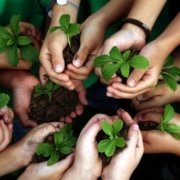
 

Harnessing Ecotourism and Forestry to Transform Education for Sustainable and Equitable Futures

Ecotourism and forestry offer powerful, practical models for achieving an educational paradigm shift to meet today’s intertwined environmental and social challenges.

These disciplines act as living laboratories integrating field-based learning in forests, conservation areas and sustainable tourism enterprises that deepen awareness of global crises such as deforestation, climate change and social inequities, while empowering communities as co-educators.

They provide learners with direct, place-based experiences that connect theory to practice as well as connections between learners, ecosystems and local communities. They directly engage with the complex interplay of environmental health, economic viability and social equity. By embedding environmental education within ecotourism and forestry initiatives, transformative learning can shift mindsets from extractive models toward regenerative stewardship, cultural respect and shared prosperity, directly addressing the goals of catalyzing cultural change and fostering equitable opportunities.

This approach fosters systems thinking, cross-cultural dialogue and collaborative problem-solving, enabling participants to understand the ecological limits of our planet while cultivating innovative pathways for equitable development.

Sustainable forestry provides a tangible framework for the principles of a circular economy, forcing a confrontation with the reality of finite resources. By bridging science, local knowledge and experiential engagement, ecotourism and forestry can catalyse the cultural change unlocking education that is action-oriented, inclusive and capable of inspiring solutions for a fairer, healthier and more sustainable future. By integrating the principles of these fields into educational curricula, we can demonstrate a model of learning that is not confined to classrooms but is deeply embedded in real-world challenges. Ultimately, ecotourism and forestry exemplify Aurelio Peccei’s vision of learning what we need to learn, providing a practical roadmap for creating the healthier, more equitable world that the initiative envisions.

Rey Juan Carlos University to host the VII International Congress on environmental education: advancing sustainability and ecological transformation

13-16 de Marzo 2025 | Universidad Rey Juan Carlos (Fuenlabrada, Madrid)

“Educación Ambiental para la transformación social y ecológica: de la conciencia a la acción. Sembrando cambios, cultivando futuros”.

From March 13 to 16, 2025, Rey Juan Carlos University in Fuenlabrada, Madrid, will host the VII International Congress on Environmental Education, held in conjunction with the VII Ibero-American Congress on Environmental Education for Sustainability. The event, titled “Environmental Education for Social and Ecological Transformation: From Awareness to Action. Sowing Change, Cultivating Futures,” aims to provide a collaborative platform for participants and partner organizations to discuss and promote environmental education and sustainability strategies.

Objectives of the VII International Congress on Environmental Education

The congress will focus on several key objectives, including:
Raising public awareness and fostering citizen participation in building a sustainable future.
Highlighting the connection between human health and the environment while promoting sustainable lifestyles.
Strengthening the professional role of environmental educators as essential agents of ecological transformation and sustainable development.

Evaluating the current status of environmental education in the education system to identify challenges and needs.
Encouraging collaboration and networking among local and international organizations to address the eco-social crisis.
Organizers and ParticipantsThe congress is organized by the Spanish Association for Environmental Education (AEEA) in partnership with Rey Juan Carlos University. It represents a significant opportunity for researchers, educators, and professionals to engage in meaningful discussions on sustainability and eco-social transformation.

The scientific committee is chaired by Dr. Aurelio Santiesteban Cimarro from the Autonomous University of Madrid and includes distinguished experts from various institutions such as the Complutense University of Madrid, the University of Valencia, the University of Granada, the University of Valladolid, UNICEPES in Mexico, and Enrique José Varona University in Cuba. The organizing committee is led by María Roca Carrera, supported by a team of dedicated professionals.

The inaugural speech will be delivered by María Novo from the UNESCO Chair on Environmental Education and Sustainable Development at UNED, who is also a member of the WEEC network.

Key topics and activities

  • The congress will address critical topics such as:
  • Circular economy and responsible consumption.
  • The link between environmental health and human well-being.
  • Integrating environmental education into school curricula.
  • The active role of citizens in environmental protection.

Attendees will have the opportunity to participate in plenary sessions, interactive workshops, expert presentations, and discussions featuring leading educators and researchers. The event’s comprehensive program will facilitate knowledge exchange and foster collaboration in building a more sustainable future.

Registration and additional information

For further details and to register for the congress, visit the official event website. The VII International Congress on Environmental Education promises to be a landmark event, inspiring actionable change in environmental education and sustainability efforts worldwide.

Discover the meaning of Gondwana: the name of the 13th WEEC Congress

Gondwana – Reconnecting Resilient Cultures: a unifying theme for the 13th World Environmental Education Congress

The 13th World Environmental Education Congress (WEEC) in Australia embraces the powerful and unifying theme of Gondwana, highlighting deep geological, ecological, and cultural interconnections across continents. This concept not only bridges ancient histories but also fosters dialogue on environmental education and sustainability in a globally interconnected world.

A shared heritage across continents

Gondwana once united Africa, Antarctica, Arabia, Australia, India, Madagascar, South America, and Zealandia, along with their surrounding oceans and seas. Today, this shared geological history serves as a reminder of the deep-rooted connections among these regions, extending beyond physical landscapes to the cultural and ecological systems that have thrived for millennia.
The theme is strongly supported by Whadjuk Noongar stakeholders, the traditional custodians of the land around Perth, Western Australia. Their endorsement underlines the significance of Indigenous perspectives in fostering environmental awareness and resilience.

Resilient cultures and traditional knowledge

The phrase “Resilient Cultures” acknowledges and respects the enduring legacies of First Nations peoples across the Southern Hemisphere and beyond. Gondwana, originally a Sanskrit term—where “Gond” refers to a Dravidian ethnic group and “vana” means forest—illustrates the longstanding relationship between people and nature. The Whadjuk Noongar people have expressed strong support for this terminology, recognizing the global importance of language preservation and Indigenous knowledge.
By reconnecting ancient cultures and ecosystems, the Congress aims to emphasize the importance of integrating Indigenous wisdom with contemporary environmental science. This approach fosters a more holistic understanding of sustainability and aligns with WEEC’s goal of promoting interdisciplinary knowledge and collaboration.

Learning from the past to shape the future

Gondwana serves as an inspiration for addressing modern environmental challenges by revisiting ancient wisdom and reinterpreting it in contemporary contexts. This philosophy resonates with Indigenous communities who advocate for drawing upon historical knowledge systems to develop sustainable solutions for the future.
The WEEC recognizes that the legacy of Gondwana underscores the necessity for global cooperation. By fostering eco-citizenship, multicultural respect, and a commitment to biodiversity conservation, the Congress aims to strengthen environmental education as a tool for promoting peace and sustainability worldwide.
As delegates from around the world gather to discuss pressing environmental concerns, Gondwana stands as a symbol of unity—reminding us that the challenges we face today can be better understood and tackled through collective efforts and a renewed appreciation for ancient, resilient cultures.

We remind you that the 13th WEEC Congress will take place from September 21 to 25, 2026, in Perth, Australia. Visit the website weec2026.org and subscribe to the newsletter to stay updated. Join our network for a more sustainable future and a global connection among experts and enthusiasts in the field.

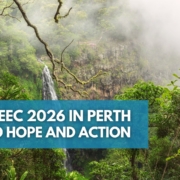
13th WEEC in Perth: call to hope and action

From September 21 to 25, 2026, the city of Perth, Australia, will host the 13th World Environmental Education Congress (WEEC), a global event that brings together experts, educators, activists, and institutions from across the globe. This congress marks a pivotal moment to address pressing environmental challenges and foster transformative education that meets the urgent needs of our time. Mario Salomone, Secretary-General of WEEC, delivers a clear message in his official invitation: “Education is the most powerful tool to change the world in the way we envision.” With this call, Salomone encourages everyone to participate in an event that promises opportunities for dialogue, collective growth, and personal development.

WEEC 2026: toward a sustainable future for all

In his invitation, Salomone reflects: “Across the world, billions dream of peace, a secure and serene life, and the ability to fulfill fundamental needs such as health, education, cultural enrichment, protection from threats to human life, access to quality food, and living in welcoming, biodiverse environments.”

This shared vision lies at the heart of WEEC, a congress aimed at addressing the critical needs of a world increasingly fragile and vulnerable to growing social and environmental inequalities.

With heightened awareness of climate change and environmental crises, the congress seeks to promote education that goes beyond information-sharing to inspire profound societal and individual change. Salomone highlights the reality faced globally: “In both developed and disadvantaged countries, billions experience climate upheavals, alternating between extremes—floods and droughts, heatwaves and cold spells.”

The 13th WEEC will serve as a key platform to explore how education can become an essential ally in tackling these global challenges.

Environmental education: an anchor of hope

“Change is in our hands,” says Salomone, emphasizing the pivotal role of environmental education, which began to take shape in the late 1960s and early 1970s. Since then, it has played a critical role in guiding societies toward greater environmental responsibility, equipping generations with the skills and awareness needed to address future challenges.

Reflecting on the transformative power of education, Salomone explains: “Environmental education serves billions worldwide—those who live, work, study, and dream. It nurtures generations of determined dreamers, realists, and builders of desirable, achievable futures.”

The Perth congress aligns with this vision of hope and concrete action. Education, Salomone asserts, is not merely a tool to impart knowledge but an instrument of empowerment and change.

Addressing the challenge of educational access

Salomone also sheds light on a critical global issue: “Around the world, tens of thousands of universities and millions of primary and secondary school teachers are working to quench the thirst for learning among youth and adults. Yet hundreds of millions lack access to education or cannot benefit from adequate learning opportunities.”

The disparity in access to education remains one of the greatest challenges, particularly in an era defined by rapid technological and climatic changes. For education to be a universal right, accessible to all, we must ensure that every individual becomes an active participant in society and the environment.

In this context, Salomone underscores: “Learning is fundamental for becoming active agents in an era of increasingly rapid change.” The 13th WEEC seeks to tackle this challenge by exploring innovative solutions to enhance access to quality education, with a focus on sustainability and social equity.

A Congress for dialogue, inspiration, and growth

The WEEC is not merely an academic gathering; it is an opportunity for dialogue and exchange among diverse stakeholders dedicated to promoting education for sustainability. Salomone extends an open invitation: “To people and institutions alike, the World Congress will be a wonderful opportunity for exchange, inspiration, and encouragement, as well as personal and collective growth.”

This global dialogue aims to involve everyone, from experts and researchers to ordinary citizens, fostering a true transformation on a global scale. The congress will go beyond theoretical discussions to address practical needs and outline actionable steps for sustainable education and action. As Salomone puts it, the congress will provide “a chance to reflect on the state and evolution of learning required in today’s world.”

Each discussion, workshop, and presentation will contribute to building a new educational paradigm capable of addressing contemporary challenges.

“No Limits to Hope”: a vision for the future

A cornerstone of the 13th WEEC will be the presentation of the report “No Limits to Hope”, developed in collaboration with The Fifth Element and the Club of Rome. This report explores the educational changes needed to tackle global environmental challenges and foster boundless hope for the planet’s future.

“The hope that drives us knows no bounds,” encapsulates the essence of this document, which will take center stage at the Perth congress. Salomone invites everyone to commit to daily efforts toward “transformative learning” and to join in Australia to evaluate progress and set new goals: “Let’s work every day on transformative learning and meet in Australia to take stock,” he states.

Learn more: An international research project for a new educational paradigm: “No Limits to Hope”

13th World Environmental Education Congress: an unmissable event

The 13th World Environmental Education Congress is shaping up to be one of the most significant opportunities for reflection and commitment to the future of our planet. Salomone concludes his message with a heartfelt invitation to stay connected and prepare for a meeting that promises to pave the way for a fairer, more sustainable future for all: “See you soon. In the meantime, let’s stay in touch!”

For updates and to participate in this extraordinary event, visit the official website of the 13th World Environmental Education Congress: www.weec2026.org.

Step into the future of environmental education: WEEC 2026 website is now online!

Join the global movement for a sustainable future! Explore the WEEC 2026 official website at https://www.weec2026.org

The official website for the 13th World Environmental Education Congress (WEEC 2026) is now online, welcoming participants from around the globe to Perth, Australia, from September 21 to 25, 2026. This landmark event offers educators, researchers, and sustainability professionals an unparalleled platform to connect, collaborate, and drive transformative change for a greener future.

A global gathering for the planet’s future

Under the central theme, “Environmental education as a tool for change,” WEEC 2026 will spotlight sustainability and global efforts to tackle climate and environmental challenges. The congress is designed as a dynamic hub for exchanging ideas, sharing solutions, and fostering international collaboration in environmental conservation.

A diverse and engaging program

The event will feature a rich agenda of activities, including:

  • Plenary sessions with leading global experts.
  • Interactive workshops designed to inspire practical solutions.
  • Research presentations showcasing the latest innovations.
  • Cultural activities celebrating local sustainability practices.

Special emphasis will be placed on youth-focused initiatives, recognizing the critical role of future generations in shaping sustainable practices.

Why attend WEEC 2026?

By joining WEEC 2026, participants will gain:

  • Innovative insights into the latest trends in environmental education.
  • Networking opportunities with global experts and professionals.
  • Tools for action to implement sustainability-focused strategies in their own communities.

Attendees are encouraged to present research and projects that can influence the future of environmental education, with practical resources provided to ensure real-world application.

Sustainability at the core

Sustainability is woven into every aspect of WEEC 2026. The congress is committed to minimizing its environmental footprint by promoting waste reduction, eco-friendly practices, and sustainable operations. Hosting the event in Perth highlights the city’s exemplary commitment to environmental sustainability.

The website includes essential travel and logistics details, such as:

  • Eco-friendly accommodation options.
  • Recommendations for sustainable activities during your stay.

Be part of the change

The WEEC 2026 website is your gateway to this transformative global event. With opportunities for deep discussions, knowledge sharing, and networking, the congress is an unmissable occasion for anyone passionate about education and sustainability.

Don’t miss your chance to make a difference! Visit the official WEEC 2026 website at https://www.weec2026.org to learn more and secure your spot today.

The organizers of WEEC 2026 warmly invite participants worldwide to join this inspiring initiative and contribute to advancing environmental education as a powerful tool for change.

“No limits to hope”: an international research project for a new educational paradigm

WEEC Network, Club of Rome, and The Fifth Element join forces to tackle global challenges through transformative learning.

Announced during the 12th World environmental education congress held in early 2024 in Abu Dhabi, the international research initiative “No Limits to Hope: Transforming Learning for Better Futures” officially begins. This ambitious project arises from the collaboration between WEEC Network, the Club of Rome, and The Fifth Element.

Forty-five years after the publication of the Club of Rome’s 7th report, titled “No Limits to Learning: Bridging the Human Gap”, the Club of Rome, The Fifth Element, and WEEC Network are launching a new global initiative. This research project is designed to inspire educators, students, and global citizens to foster a shift in educational and learning paradigms to address the pressing challenges of our time.

FIND OUT MORE ABOUT THE PROJECT, CLICK HERE

Rethinking how we learn and act

We live in an era marked by environmental crises, social inequalities, and geopolitical tensions. Overcoming these challenges requires rethinking how we learn and act. “No Limits to Hope” aims to transform mindsets and promote a more equitable and sustainable world through innovative collaborative approaches to learning and problem-solving.

The roots of the project

In the 1979 report, Aurelio Peccei highlighted how human progress was often “frantic and disorderly,” emphasizing the need to bridge the gap between the human condition and the natural environment. Today, more than ever, it is urgent to address his critical question: “Can we bridge this gap before it is too late?”

The response lies in:

  • Drawing on vision and creativity.
  • Mobilizing moral energy for change.
  • Objectives of “No Limits to Hope”

The project aspires to…

  • Catalyze cultural change: transform the ways we think and act to build a healthier planet and create equitable opportunities for all.
  • Facilitate transformative learning: harness the power of education to inspire innovation and break down barriers to change.
  • Generate new knowledge: update and expand the original Club of Rome report to reflect current global challenges and provide new insights for the future.

Call to action

The Club of Rome, The Fifth Element, and WEEC Network invite researchers, educators, and professionals to contribute research proposals, articles, and case studies exploring new educational paradigms capable of fostering systemic transformation at local and global levels.

Deadlines:

  • March 31, 2025: Submission of proposals.
  • November 30, 2025: Notification of selected contributions.

Benefits:

  • Publication of contributions in a high-impact book.
  • Collaboration with international experts and participation in webinars, conferences, and global campaigns.
  • Contribution to a global movement for educational transformation.

READ THE CALL FOR CONTRIBUTORS, CLICK HERE

Join the change

For more information and to participate in the “No limits to hope” project, contact:

Project partners

  • Club of Rome: An international network of leaders and thinkers committed to holistic solutions for planetary emergencies. Since 1968, it has promoted research and policies for a sustainable future.
  • The Fifth Element: An initiative that combines traditional wisdom and cutting-edge science to catalyze human and environmental change.
  • WEEC Network: A global reference point for environmental education and sustainable development, with over 20 years of experience in sharing best educational practices.

Together, let’s make a difference by transforming education to create a more just and sustainable future.


VIII Ibero-American Congress on Environmental Education: “Cultures and territories at peace with nature”

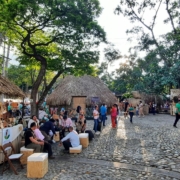
From October 16 to 18, 2024, Santiago de Cali, Colombia, hosted the VIII Ibero-American Congress on Environmental Education, a landmark event that brought together educators, policymakers, researchers, and community leaders from across the Ibero-American region. Under the theme “Cultures and territories at peace with nature” the congress reaffirmed its role as the most significant platform for advancing environmental education in the region.

Building on the legacy of seven previous editions held across Latin America since 1992, the congress showcased the strength of environmental education as a field of knowledge and practice. Participants revisited critical achievements, including advances in epistemology, policy frameworks, institutionalization, professionalization, and innovative pedagogies.

This year’s congress stood out for its focus on integrating diverse cultural and ecological perspectives, emphasizing the transformative power of education to address global environmental challenges and foster sustainability.

The event achieved several significant milestones, particularly in fostering environmental citizenship by emphasizing the role of education in developing a sense of responsibility, critical thinking, and proactive engagement among individuals. It also advanced policy integration by presenting concrete recommendations to embed environmental education into both national and international action plans, aligning them more closely with public policies. Furthermore, the congress provided a dynamic space for collaborative knowledge sharing, bringing together scientific, traditional, and community-based perspectives to address the complexities of environmental challenges.

The congress was also a showcase for sustainable event practices. Efforts included reducing waste, offsetting carbon emissions, and promoting local products and the circular economy. Participants actively engaged in social responsibility initiatives, leaving a positive impact on local communities in Cali. The congress led to several notable outcomes, including a strengthened commitment to fostering networks and collaborations throughout the Ibero-American region. It also resulted in the adoption of recommendations aimed at enhancing the role of environmental education within global environmental governance frameworks. Additionally, the event culminated in the creation of an open-access final report, which documented best practices, lessons learned, and strategic pathways for the future advancement of environmental education.

. By hosting the congress in Colombia, a megadiverse country, participants gained valuable insights into the current environmental challenges and conflicts faced by regions rich in biodiversity. The contributions from the congress served as critical inputs for discussions at COP16 on Biodiversity, ensuring that the role of environmental education was prominently addressed in global conservation strategies. The VIII Ibero-American Congress on Environmental Education left an indelible mark on the region’s approach to sustainability, equity, and peace. By bringing together diverse voices and championing a holistic view of environmental education, the event set the stage for meaningful action to address the intertwined crises of biodiversity loss, climate change, and social inequality.

Declaratoria de Lima

The crucial role of indigenous voices at COP16 and beyond

by Jason J. Pitman

The conversations at United Nations Biodiversity Conference (CBD COP16) in Cali, Colombia, held in October 2024, provided a powerful lens for the world to engage with the invaluable contributions of Indigenous communities to global environmental discourse. Through both formal, like those within the high-level discussions in the Blue Zone, and informal spaces curated and the dynamic community-based exchanges in the Green Zone, Indigenous voices echoed a collective call for the decolonisation and indigenisation of environmental education. This call emphasises the need to integrate Indigenous knowledge systems into educational frameworks to address global environmental challenges in a more holistic and inclusive manner.

At COP16, Indigenous leaders and activists were not mere bystanders to the discussions. They were, and have always been, key voices in the ongoing conversation about climate change, biodiversity loss, and sustainable environmental practices. Within the Blue Zone, formal panels offered a space for political and social commentary, where Indigenous perspectives shaped discussions on climate justice, environmental degradation, and sustainability. The stories shared in these panels brought attention to the long-standing relationship Indigenous peoples have with their lands and the urgent need for policies to respect and protect Indigenous territories, resources, and knowledge.

In the Green Zone, the energy shifted from formal discussions to grassroots, community-driven action. Here, a vibrant exchange of ideas took place, where Indigenous groups, community activists, and allies demonstrated how traditional ecological knowledge (TEK) is being applied in real-world contexts to solve environmental issues. These informal spaces underscored the relevance of Indigenous ways of knowing, seeing, and interacting with the environment. Evoking a deep connection between culture and biodiversity as a complex, living system to be nurtured and respected. The Green Zone’s emphasis on community engagement brought to the forefront the lived realities of Indigenous peoples and their innovative solutions to both local and global environmental challenges. Many of these conversations were candid and unfiltered, and while it is not my place to fully share those personal stories, one powerful message was repeated time and again. Indigenous women are leading the charge for biodiversity conservation, and it is time for all men to step aside and allow them to lead the way.

After two weeks of negotiations, delegates at COP16 reached a significant agreement to create a subsidiary body to include Indigenous peoples in future decision-making on nature conservation. This development marks an important step forward in the ongoing movement to recognise the critical role of Indigenous communities in protecting land and combating climate change. The decision underscores the growing recognition of Indigenous knowledge and leadership in environmental stewardship.

Following these efforts is the global call to also reclaim, revolutionise, decolonise, and indigenise education for the betterment of biodiversity. This is a pressing necessity in a world increasingly confronted with the devastating effects of climate change, loss of biodiversity, and environmental degradation. To address these crises, environmental education must evolve to meaningfully incorporate and acknowledge the wisdom and practices passed down through generations of Indigenous peoples. This process of decolonising and indigenising curricula and pedagogy involves more than just acknowledging Indigenous knowledge, it requires a fundamental shift in the way we think about education itself.

It is a privilege to learn from Indigenous knowledge systems as they are deeply rooted in millennia of observation, cultural practices, and spiritual beliefs. These systems offer invaluable insights into sustainable living and environmental stewardship. Often holistic, they emphasise the interconnectedness of all living beings, the importance of community, and the reciprocity between humans and nature. Yet, it is essential to recognise the wisdom Indigenous peoples share is not without its cost. Historically, their knowledge has been extracted without adequate recognition or compensation, and the economic payback for such contributions has been minimal. By embedding Indigenous knowledge and approaches into educational frameworks, we not only broaden the scope of environmental education but also promote a more inclusive and equitable approach to learning. Such approaches must honour the deep value of these contributions by ensuring Indigenous communities are compensated fairly and respected for revolutionising such educational frameworks.

Looking ahead, the 13th World Environmental Education Congress (WEEC) 2026, to be held in Western Australia, provides a timely and symbolic backdrop for furthering the international discourse on the importance of Indigenous voices in environmental education. Western Australia is home to a rich diversity of First Nations peoples whose deep knowledge of the land, seas, and skies stretches back tens of thousands of years. The inclusion of Indigenous perspectives in the 13th WEEC 2026 agenda will allow for a meaningful exchange of ideas on how to transform environmental education into a more inclusive, culturally relevant, and effective system for addressing global challenges.

Indigenous knowledge is particularly crucial in the Global South, where many of the world’s most vulnerable communities reside. As we move forward in addressing the environmental crises facing our world, it is crucial we not only hear Indigenous voices but also respect and integrate their knowledge into formal and in-formal education systems. Incorporating Indigenous perspectives in environmental education, from the classroom to the field, is not just a moral imperative. it is a critical step toward achieving true sustainability. As the world departs from COP16, and as we progress the next two years towards the 13th WEEC 2026, let us listen, learn, partner, and act upon the call of Indigenous peoples to shape a better world for future generations.