Tag Archive for: environmental education

The Belgrade Charter 50 Years Later: A Compass For Environmental Education

In 1975, as the world began to confront the early signs of an ecological crisis, an event took place in Belgrade that would leave a lasting mark on the history of education. Ninety-six experts from sixty countries came together to define a new concept: environmental education. The outcome was the Belgrade Charter — a document that, for the first time, clearly and systematically outlined the goals, methods, and principles of education aimed at addressing the environmental challenges of both the present and the future.

Fifty years later, the Charter remains a key point of reference for those engaged in education, environmental issues, and active citizenship. But what exactly did this document propose? And why does it still matter today?


Education That Starts With The Environment (And Reaches People)

The Belgrade Charter begins with a simple yet revolutionary idea: the environment is not just nature — it’s the sum of all the conditions in which we live, including ecological, economic, social, and cultural dimensions.

Educating about the environment, then, means helping people understand the complexity of the world, recognize their role within an interconnected system, and act accordingly.

According to the Charter, the goal of environmental education is to foster informed and engaged citizens — people who can identify environmental problems, understand their causes and impacts, and take action, both individually and collectively, to prevent or solve them.

Education, in this vision, goes far beyond transmitting knowledge. It involves values, emotions, motivations, and behaviour.

To achieve this, the Charter outlines six key objectives:

  1. Awareness – developing a broad understanding of the environment and its most pressing issues.
  2. Knowledge – acquiring scientific and cultural insights into environmental challenges.
  3. Attitudes – nurturing values and sensitivity toward the protection of nature and society.
  4. Skills – learning to solve problems in practical, creative ways.
  5. Evaluation – developing critical thinking and analytical abilities.
  6. Participation – feeling empowered to take part in change, both in daily life and within one’s community.

This approach was remarkably forward-thinking for its time. The idea that education and the environment are deeply connected — and that education can help transform society — anticipated by decades the very issues that today are at the heart of the United Nations’ 2030 Agenda.


A Legacy That Lives On

The Belgrade Charter had a profound impact on the landmark Tbilisi Conference of 1977, which confirmed and expanded the core principles of environmental education. Since then, the idea that education can drive environmental and social change has inspired public policies, school programs, local initiatives, and global awareness campaigns.

Education for sustainable development, for instance, builds on the original concept of environmental education, extending its scope to include issues like social equity, the solidarity economy, and climate justice. Yet the founding values of the Belgrade Charter remain at its core: interdisciplinarity, participation, lifelong learning, and the vital connection between knowledge and action are still central to this broader educational vision.

This is not about nostalgia. The Charter is still relevant today because it continues to speak to us. In the face of global challenges such as climate change, pollution, biodiversity loss, and social inequality, we need an education that nurtures critical thinking and hope, awareness and responsibility.


A Guide For The Future

So, what lesson can we take from the Belgrade Charter? That educating means creating meaning — and that meaning is something we build together: in schools, families, communities, and institutions. It also means recognizing that every person, at every stage of life, can play a role. Environmental education isn’t just for children or students; it’s a cultural practice that involves all of society. And for that reason, it must be accessible, inclusive, and rooted in dialogue.

In a fast-changing world where eco-anxiety is on the rise, we need education that not only raises the alarm but also nurtures the capacity to imagine and build alternatives. In this sense, the Belgrade Charter offers us a compass — not a rigid set of rules, but a guide to help us stay on course.

Fifty years ago, the Belgrade Charter gave voice to a powerful hope: that through education, we can truly build a more just, sustainable, and compassionate future. That hope is still alive — within us and around us. It’s up to us to keep it alive, to bring it into schools, cities, projects, and everyday conversations. Because educating about the environment always means educating about life.


Essential bibliography

  • Unesco-Unep (1975), Belgrade Charter. A global framework for environmental education. Paris: Unesco. Available at https://www.mase.gov.it/portale/documents/d/guest/belgrado-pdf.
  • Palmer, J. (1998), Environmental Education in the 21st Century: Theory, Practice, Progress and Promise, Routledge.
  • Carson, R. (1962), Silent Spring, Boston, Houghton Mifflin.

VIII Ibero-American Congress on Environmental Education: “Cultures and territories at peace with nature”

From October 16 to 18, 2024, Santiago de Cali, Colombia, hosted the VIII Ibero-American Congress on Environmental Education, a landmark event that brought together educators, policymakers, researchers, and community leaders from across the Ibero-American region. Under the theme “Cultures and territories at peace with nature” the congress reaffirmed its role as the most significant platform for advancing environmental education in the region.

Building on the legacy of seven previous editions held across Latin America since 1992, the congress showcased the strength of environmental education as a field of knowledge and practice. Participants revisited critical achievements, including advances in epistemology, policy frameworks, institutionalization, professionalization, and innovative pedagogies.

This year’s congress stood out for its focus on integrating diverse cultural and ecological perspectives, emphasizing the transformative power of education to address global environmental challenges and foster sustainability.

The event achieved several significant milestones, particularly in fostering environmental citizenship by emphasizing the role of education in developing a sense of responsibility, critical thinking, and proactive engagement among individuals. It also advanced policy integration by presenting concrete recommendations to embed environmental education into both national and international action plans, aligning them more closely with public policies. Furthermore, the congress provided a dynamic space for collaborative knowledge sharing, bringing together scientific, traditional, and community-based perspectives to address the complexities of environmental challenges.

The congress was also a showcase for sustainable event practices. Efforts included reducing waste, offsetting carbon emissions, and promoting local products and the circular economy. Participants actively engaged in social responsibility initiatives, leaving a positive impact on local communities in Cali. The congress led to several notable outcomes, including a strengthened commitment to fostering networks and collaborations throughout the Ibero-American region. It also resulted in the adoption of recommendations aimed at enhancing the role of environmental education within global environmental governance frameworks. Additionally, the event culminated in the creation of an open-access final report, which documented best practices, lessons learned, and strategic pathways for the future advancement of environmental education.

. By hosting the congress in Colombia, a megadiverse country, participants gained valuable insights into the current environmental challenges and conflicts faced by regions rich in biodiversity. The contributions from the congress served as critical inputs for discussions at COP16 on Biodiversity, ensuring that the role of environmental education was prominently addressed in global conservation strategies. The VIII Ibero-American Congress on Environmental Education left an indelible mark on the region’s approach to sustainability, equity, and peace. By bringing together diverse voices and championing a holistic view of environmental education, the event set the stage for meaningful action to address the intertwined crises of biodiversity loss, climate change, and social inequality.

Declaratoria de Lima

Celebrating World Environmental Education Day 2024: global experiences and activities

On October 14th, 2024, the 8th World Environmental Education Day was celebrated. This date marks the anniversary of the 1977 UN Conference in Tbilisi, Georgia, where it was unanimously agreed that environmental education plays a vital role in safeguarding and enhancing the global environment. 47 years later, the World Environmental Education Congress (WEEC) remains dedicated to promoting environmental education as a key pathway toward building sustainable societies.

Since the establishment of World EE Day, WEEC has encouraged organizations worldwide to initiate activities and projects focused on environmental education throughout October. From festivals and conferences to workshops and academic research projects, we received numerous submissions through our online platform highlighting various World Environmental Education Day 2024 initiatives.

This final report highlights some outstanding and impactful projects from across the globe for this year’s World EE Day.

The project Food Waste Valorization for Nutritious Livestock Feeds Production aims to transform food waste into safe and nutritious feeds for livestock, promoting food security, sustainable livelihoods, job creation, and environmental conservation. In Uganda, where 16.4 million people face food insecurity, significant amounts of food waste are generated daily in urban areas, contributing to greenhouse gas emissions and pollution. Currently, food waste is fed directly to animals, posing health risks. This project uses insect-based farming to process food waste into high-protein feeds and bio-fertilizers. Black soldier fly larvae (BSFL) provide a nutritious alternative to costly traditional protein sources like fish and soybean meal, thus lowering livestock feed costs. By demonstrating technical and business models at Mukono Green Valley Innovation Hub, the project will empower youth to engage in insect farming, livestock management, and organic farming, ultimately fostering economic opportunities and improving food security.

The Digital Platform for Environmental Citizen Science is designed to empower individuals worldwide to actively contribute to environmental research and conservation. Through a user-friendly interface, participants can upload observations, measurements, and photos related to environmental factors like air quality, water pollution, biodiversity, and climate change. Guided projects within the platform support users in gathering targeted data to address urgent environmental challenges, while real-time data visualization through interactive maps and charts allows users to observe trends and patterns. Educational resources help participants deepen their understanding of environmental science and the value of citizen-driven research. By engaging people in meaningful data collection and analysis, the platform raises awareness, generates valuable data to complement scientific research, and empowers users to make a positive impact on their local environments. Partnerships with academic institutions, government agencies, and NGOs are envisioned to enhance project development, data analysis, and outreach, creating a collaborative network of environmental advocates.

ModelCOP is an innovative educational platform that immerses middle and high school students in global climate negotiations, helping them develop essential skills and values for environmental leadership. Through realistic simulations of international climate forums, students role-play as diplomats and climate experts, gaining insights into global climate challenges and collaborative solutions. The program combines online and in-person sessions for accessibility and engagement, targeting rapid growth across high-youth regions like the Middle East, Africa, Asia, and Latin America. With strategic partnerships, ModelCOP aims to reach over 5 million students in three years, creating a global network of educators, experts, and policymakers to support its mission.

The Bogotá Schools Environmental Summit is an initiative launched by students from Los Cerros Gymnasium to unite the educational community in addressing environmental challenges and promoting sustainability. The summit aims to educate and empower students to take action against climate change through conferences, project fairs, and workshops. The first edition in 2023 focused on establishing collaborative goals for environmental restoration, attracting over 60 participants from 15 institutions. The second edition in May 2024, held during an environmental crisis, engaged more than 120 students and teachers from 32 schools, featuring discussions on climate change challenges and showcasing student-led environmental initiatives. This summit not only inspires pride in students’ achievements but also fosters a collective commitment to combating climate change. By facilitating idea exchange and collaboration, the summit promotes continuous engagement in environmental projects and aims to establish a regional and global network for environmental education. Future editions will further enhance visibility for climate issues and strengthen partnerships with educational and environmental organizations.

Little Green Hero (LGH) is an innovative mobile and web application aimed at fostering environmental awareness among children aged toddlers to 8 years. Utilizing artificial intelligence, LGH creates an engaging and adaptive learning environment that introduces complex environmental issues in a way that is accessible and non-intimidating for young learners. The preliminary model has shown effectiveness in captivating children’s interest and promoting early environmental consciousness, highlighting AI’s potential to transform educational experiences in essential fields like environmental education.

Exploring the Oceans: Marine Education for Schoolchildren is an educational initiative aimed at enhancing students’ understanding of marine ecosystems through interactive workshops integrated into the school curriculum. The project involves three themed workshops tailored to each grade level, promoting hands-on learning through both outdoor activities and in-class practical sessions. The primary goal is to inspire curiosity about the oceans and foster environmental responsibility among students. Younger students will focus on basic marine life concepts, while middle and upper grades will delve into ecosystems, human impacts, and conservation strategies. Practical experiences include field trips to coastal areas, where students can observe marine ecosystems, engage in water testing, and participate in beach clean-ups. This program encourages active participation, enhancing knowledge retention and cultivating a conservation mindset. By connecting classroom learning with real-world experiences, “Exploring the Oceans” empowers students to become future stewards of the environment, deepening their appreciation for marine life and its challenges.

The Green Student Program is an initiative aimed at promoting environmental awareness and action among high school students. It empowers over 120 participants from 20 schools to become green changemakers by equipping them with the knowledge, skills, and resources necessary to tackle environmental issues in their communities. Through workshops and fellowships, the program emphasizes design-thinking strategies for developing solutions, career preparation for environmental pathways, and launching the first cohort of Green Student Fellows. Selected fellows will receive mentorship, sponsorship for a Climate Course, and support for their own student-led campaigns addressing local environmental challenges. The program also fosters ongoing opportunities through partnerships, bridging the gap between inspiration and actionable environmental education.

The Art of Climate Change Education project aims to enhance climate education for teachers in England and Kenya through the integration of art and artificial intelligence (AI). The initiative seeks to empower educators to become confident climate allies, capable of influencing their students and communities on climate action. Harwood Education, an English teacher training organisation, will lead the development of an AI-inspired visual art project and a Carbon Footprint Buster Challenge, providing educational materials to Kenyan schools in collaboration with People to People International, Kenya. Kenyan instructors will utilize the book Creating A Masterpiece: The Arts and Climate Change Conflict By Graydon to inspire students and raise awareness about climate change through artistic expression. Additionally, students will receive Life on Planet Earth: My Story, by artist Graydon, an activity book featuring art-based learning on ecology and climate change, which will be published and exhibited. The project promotes inclusivity by offering these resources in both English and Swahili, along with plans for translation into local languages, ensuring that climate education is accessible to all students and teachers involved.

The project initiated by ODDB NGO addressed the environmental challenge of plastic waste management, which poses serious issues like ocean pollution, blocked drainage systems causing flooding, the spread of diseases, respiratory problems from open burning of waste, and harm to wildlife. Recognizing the importance of educating young people, the initiative celebrated World Environmental Education Day 2024 by organizing an awareness session for students at the Public Primary School (EPP) of Tanto, followed by a cleanliness campaign in the surrounding area. The primary goal was to enhance environmental education in urban settings by informing students about the impacts of plastic waste and engaging them in cleanup efforts, successfully involving over 100 students in this important initiative.

Friendly SEED, the first Taiwanese social enterprise focused on environmental education (EE), was established in 2010 by a group of EE professionals dedicated to promoting sustainability. Through effective brand management and curriculum development, they have created systematic learning programs, initiated corporate ESG action plans with over 60 companies, and helped multiple nature education sites obtain certification as environmental education facilities. By fostering public-private partnerships with industry, government, and academia, Friendly SEED aims to drive positive impacts in environmental sustainability education. In celebration of World Environmental Education Day on October 14th, they organized various events, including corporate environmental action days, beach and mountain cleanups, training for environmental educators, hands-on career experiences for ecological workers like fishers, and DIY art-making activities using natural materials.

The 8th World Environmental Education Day saw significant participation, highlighting the community’s commitment to environmental education and sustainability. Additionally, many other projects were submitted, including “Chargé de sensibilisation sur la protection de l’environnement au sein de MKAAJI MPYA asbl”, a local association based in the province of South Kivu, Democratic Republic of the Congo; the “Red de Medio Ambiente” de la Universidad de La Habana; the “LACA” (Looking At Climate Action) project in Zambia; “Exploring the Oceans: Marine Education for Schoolchildren”, a project by the Vellmari Association and “Climate Fresk”, a French educational initiative designed to raise awareness about climate change through an interactive workshop.

These initiatives further demonstrate the collective effort to foster environmental awareness and action across various communities and educational settings.

 

8th World Environmental Education Day: celebrating today, October 14

October 14 marks the anniversary of the UNESCO Intergovernmental Conference on Environmental Education, held in Tbilisi, Georgia, in 1977. This conference, which concluded on October 26, was a milestone, reflecting the growing awareness and concern within society and institutions at the time. For the first time, environmental issues and education for environmental awareness were officially recognized at an institutional level, following the 1972 UN Conference on the Human Environment in Stockholm.

The main outcome of the 1977 conference was the Tbilisi Declaration, which set out the principles of environmental education. It emphasized that education should be global and community-based, continuous, and lifelong. It should engage people of all ages, particularly young people, to foster a sense of active responsibility for the environment.

Forty years later, in 2017, the WEEC (World Environmental Education Congress) network launched the first World Environmental Education Day in Vancouver, coinciding with its ninth global congress and the participation of the Georgian government. In 2024, we are celebrating the eighth World Environmental Education Day, and to mark this occasion, the WEEC network is compiling all projects and initiatives aimed at promoting environmental awareness.

Every project plays a crucial role in raising awareness about the need to rethink our relationship with the environment, develop the interdisciplinary skills needed to navigate today’s complex challenges, and cultivate a population that is mindful of environmental issues. We need action from everyone!

Projects for World Environmental Education Day

This year, between September 14 and October 30, organizations involved in environmental education, along with museums, parks, schools, and other institutions, are running awareness-raising projects.

To celebrate the eighth World Environmental Education Day, the WEEC network is gathering all relevant projects to highlight the growing interest in this field. At the end of October, a 2024 Final Report will be published, summarizing all submitted initiatives, which will also be promoted through our media channels.

Many projects have already been submitted, approaching the theme from different angles and using various methods, all of which are effective.

Some projects feature in-person activities following informal education models, giving participants hands-on experiences of environmental stewardship. For example, the Vellmari Association focuses on marine environment protection in the Balearic Islands, organizing communication campaigns about the role of marine ecosystems, research initiatives, and educational programs. They have launched the “Exploring the Oceans” project, designed to raise awareness among children and youth aged 8 to 17.

Other projects focus on creating networks. One initiative, currently in the planning phase, envisions a digital platform for sharing practical and theoretical knowledge among teachers, students, and anyone interested in environmental education.

While some projects are new, others build on the long-standing efforts of institutions and communities with a history of environmental education. One such project is led by Hardwood Education in partnership with People to People Kenya, which fosters knowledge exchange between teachers in the United Kingdom and Kenya.

Around the world, organizations are undertaking diverse initiatives—differing in approach, method, and audience—yet all united by the common goal of raising awareness for World Environmental Education Day.

Share your project with us!

Every action matters in our collective effort to create a more sustainable world, promote environmental education, and raise awareness about the issues that concern us all. The WEEC network, a global alliance of environmental educators, will manage these projects. The next WEEC congress will take place in Perth, Australia, in 2026—an opportunity to expand your knowledge, exchange experiences, and discuss best practices with experts in the field.

If you are running an initiative this October, we invite you to submit your project for inclusion. Want to get involved? Submit your project here and sign the petition to make October 14 the official World Environmental Education Day. Click here for more information and to sign. Every action counts!

Centr’ERE presents: journées de l’éducation relative à l’environnement 2024

From October 10 to 29, 2024, the Centre de recherche en éducation et formation relatives à l’environnement et à l’écocitoyenneté (Centr’ERE) at the Université du Québec à Montréal (UQAM) is hosting the “Journées de l’éducation relative à l’environnement.” This major event is centered around three significant dates: World Teachers’ Day (October 5), the “Discovery” of the Americas (October 12), and World Environmental Education Day (October 14), offering a thoughtful reflection on Indigenous and environmental issues.

The 2024 edition features a diverse program of seminars, conferences, round tables, and workshops that address environmental education through interdisciplinary and cross-cultural lenses. You can find the full program in the attachment (click here). Below is a preview of the key activities:

Program highlights

Study day: Ecosocial intervention education
Training and Engagement for the Socio-Ecological Transition
Thursday, October 10, 2024 | 8:30 AM – 5:30 PM
This day will explore ecosocial justice with contributions from experts in social work education, integrating academic insights and community-based practices.

Seminar: perceiving sound in our relationship to the world
Tuesday, October 15, 2024 | 9:00 AM – 12:00 PM
In collaboration with Canada Sound Week, this seminar examines ecology through sound, highlighting listening as a key tool for understanding the environment.

Workshop-seminar: textile circularity and ecocitizenship
Thursday, October 17, 2024 | 2:00 PM – 4:00 PM
This bilingual seminar delves into the environmental impact of the textile industry, promoting circular economy practices. The University of Havana will also share innovative approaches in textile sustainability.

Round table: trajectories, perspectives, and challenges in contemporary environmental education
Thursday, October 29, 2024 | 3:00 PM – 5:00 PM
A panel discussion on the future of environmental education, featuring leading experts in the field. The event will also mark the launch of a new book showcasing interdisciplinary contributions.

The full program, which offers both in-person sessions at UQAM and online participation via Zoom, is available now. Check the attachment (click here) for details, and join us in this collective reflection on environmental education and civic engagement!

For more information and to access online participation links, visit the official event page.

MECCE Project announces third call for proposals for quality climate change communication and education case studies

The Monitoring and Evaluating Climate Communication and Education (MECCE) Project, a collaborative effort among over 100 prominent scholars and agencies, has unveiled its third funded case studies call for proposals. With an esteemed Advisory Committee including the likes of the IPCC, UNESCO, UNFCCC, and UNESCO Global Education Monitoring Report, MECCE aims to deepen the understanding of quality Climate Change Communication and Education (CCE) through insightful case studies.

Researchers, practitioners, and stakeholders are invited to submit their proposals until March 25th, 2024. The project seeks to fund a minimum of 10 case study research projects, offering up to CAD $10,000 per project. While all proposals will be given due consideration, this year MECCE is particularly interested in initiatives from Latin America and Eastern Europe. They are also keen on CCE initiatives focusing on public participation, public access to climate change information, and educational sectors such as pre-primary, primary, and higher education.

What is MECCE looking for?

MECCE is seeking case study proposals that delve into established quality CCE initiatives. The aim is to better understand how these initiatives contribute to the landscape of climate change education. Projects should offer clear research questions, methods, and approaches, primarily utilizing qualitative research methods.

Benefits of participation and eligibility

Participating in these case studies offers a range of benefits:

  • Receive funding: Up to $10,000 CAD to conduct in-depth research on a quality CCE initiative.
  • Contribute to knowledge: Help advance the understanding of quality CCE and ways to enhance CCE initiatives globally.
  • Global networking: Connect with a diverse network of CCE researchers and practitioners.
  • Showcase work: Display innovative CCE efforts through international platforms, including the MECCE Project’s data platform and digital library.
  • Optional activities: Opportunities for joint publications, blog posts, and cross-case study analyses.

Deliverables

Successful applicants will be expected to:

  • Participate in calls with the MECCE Project Office for updates and support.
  • Submit a comprehensive final report detailing the case study and its findings.
  • Provide a multimedia package showcasing the CCE initiative (e.g., photos, videos).
  • Publish findings in academic or professional publications, and present results to target audiences.

Application process and deadlines

Proposals should be submitted through the application portal by the deadline of March 25, 2024, at 11:59 pm EST.

For more information on the MECCE Project and to view previously funded case studies, visit mecce.ca. Don’t miss this opportunity to contribute to the advancement of Climate Change Communication and Education on a global scale!

Empowering Uganda’s youth: Muyunga Bruno’s quest to Speaking 4 the Planet

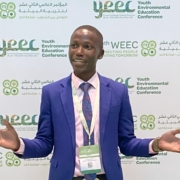
In the heart of Uganda, Muyunga Bruno, an IT Officer, Environmental Activist, and student mentor at St. Mark’s College Namagoma, is passionately leading a movement to safeguard the natural world for future generations.

Bruno’s love for preserving the environment traces back to his childhood, surrounded by Uganda’s stunning landscapes. However, he’s witnessed a troubling trend of environmental decline over the years. “Gone are the days when you could hear frogs in the evening,” he mourns, pointing to the loss of once-vibrant habitats due to human activities.

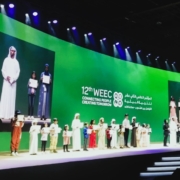
Recently returning from the 12th World Environmental Education Congress (WEEC) in Abu Dhabi, Bruno is reinvigorated. “Numerous factors, especially climate change, have profoundly impacted our environment,” he observes, stressing the urgent need for education and action.

At the WEEC, Bruno noted a critical knowledge gap, especially among younger community members. “Children and youths must learn the importance of preserving our environment,” he insists, noting the lack of guidance from previous generations on conservation efforts.

With this insight, Bruno is launching the “Speaking 4 the Planet” Environmental Speaking Competition at St. Mark’s College Namagoma. Set for April 13, 2024, the event aims to empower students to tackle environmental challenges using their voices and beliefs. It will involve various school clubs, including debate, wildlife, Red Cross, Interact, Scripture Union, mathematics, ICT, entrepreneurship, Swahili (East African Community), and cultural clubs.

Inspired by Mr. Phil Smith, who leads “Speaking 4 the Planet,” Bruno envisions expanding this initiative beyond his school. “I don’t plan to limit this to just our competition,” he shares, detailing ambitions to reach more schools, communities and neighboring countries.

Bruno dreams of a future where the younger generation is not only knowledgeable but also passionate about conserving and protecting the natural environment. “We must raise a generation capable of advocating for the planet,” he stresses.

In his mission to effect change, Bruno humbly seeks support. “This email is a humble request for any assistance—financial, advisory, or knowledge-based,” he appeals, hopeful for partnerships and resources to advance his cause.

As Uganda’s landscape faces mounting challenges from human impact, voices like Muyunga Bruno’s are crucial in paving the way for a sustainable future. Through initiatives such as the “Speaking 4 the Planet” competition, he aims to inspire, educate, and ignite a fervor for environmental conservation among Uganda’s youth.

For those interested in supporting Bruno’s cause or learning more about the “Speaking 4 the Planet” competition, inquiries are welcome at his email (muyungabruno@gmail.com). Together, we can advocate for the planet and cultivate a brighter, greener tomorrow for all.

WEEC2024: a global gathering for sustainable solutions

The twelfth edition of the World Environmental Education Congress (WEEC) kicks off in Abu Dhabi, United Arab Emirates.

The opening ceremony saw the participation of prominent figures, including H.E. Dr. Shaikha Al Dhaheri, Secretary-General of the Environment Agency – Abu Dhabi, UAE; H.H. Sheikha Shamma bint Sultan bin Khalifa Al Nahyan, President and CEO of the UAE Independent Climate Change Accelerators (UICCA); Mario Salomone, Secretary-General of the World Environmental Education Congress Network; and Elizabeth Wathuti, Kenyan youth activist, Founder, and Executive Director of Green Generation Initiative, Kenya.

The WEEC Network Secretary-General Mario Salomone addressed the theme of interdisciplinarity and transdisciplinarity, emphasizing that the environment represents the crossroads of perspectives and is the ideal ground for building such approaches. He highlighted that the challenge of environmental crises is not merely academic but involves Western science, the relationship between expert knowledge and traditional knowledge, raises ethical-political issues, and requires a profound restructuring of knowledge, structures, and laws. He announced a new collaboration between the Club of Rome and the global WEEC network, emphasizing the importance of demonstrating the centrality of environmental education. This collaboration aims to better understand the nature of learning today, based on the message conveyed by the Club of Rome’s report, “No Limits to Learning.”

Dr. Shaikha Al Dhaheri focused her speech on three crucial themes: climate change, biodiversity loss, and pollution. H.H. Sheikha Shamma bint Sultan bin Khalifa Al Nahyan, in her address, highlighted the importance of the involvement of women and youth, emphasized significant transformations in the United Arab Emirates, and underscored the transformative power of education.

Plenary 1: the triple planetary crisis – aligning EE and ESD

During subsequent plenary sessions, numerous national and international authorities contributed, including H.E. Razan Khalifa Al Mubarak, President of IUCN, who stated, “Government action alone is not sufficient; everyone’s help is needed. WEEC plays a crucial role, inspiring, empowering, and embracing the new economy.” She also announced a commitment to creating a roadmap for developing an educational set for young people.
Following H.E. Razan Khalifa Al Mubarak’s remarks, Jack Dangermond, President, Environmental Systems Research Institute (ESRI), USA, ha preso la parola.
Mr. Dangermond highlighted the success and challenges faced by our species, acknowledging the exponential growth in technology over the last 300 years. He expressed concern about the human footprint dominating the planet’s evolution and how it now poses a threat to our future, especially due to overpopulation. He stressed the critical need for understanding and collaboration to address the challenges ahead.

High level leaders’ panel discussion

After them, several other notable speakers took the stage during subsequent panel discussion:
Abdul-Majeid Haddad, Deputy Regional Director, UNEP, West Asia O¬ce, Lebanon, emphasized the importance of educators having an environmental spirit and transferring it to education. He discussed the role of educators as custodians for laws, needing to provide incentives for environmental education through both formal and informal approaches. Formal education would involve legal frameworks, while informal education would inspire youth to become champions and educators themselves.
Panelists:
H.E. Dr. Amna Al Dahak Al Shamsi, Minister of Climate Change and Environment, United Arab Emirates.
Dr. Al Shamsi emphasized that environmental education is not solely the responsibility of educators but of everyone. She highlighted the power and connectivity of education, reaching every household. To integrate environmental education into daily life, it must be instilled as part of people’s values, especially considering they are the future educators and scientists.

H.E. Mamo Boru Mamo, Director General, National Environment Management Authority (NEMA), Kenya.
Mr. Mamo discussed the need to supervise and coordinate environmental issues in Kenya due to limited resources. He emphasized the importance of laws and regulations in the constitution to manage and protect the environment. Addressing environmental quality should be both an individual and collective effort.
Lorenzo Fioramonti, Former Education Minister, Italy.
Mr. Fioramonti shared his experience encouraging students to strike for better education. He highlighted the difficulty of changing school curricula but stressed the importance of introducing environmental sustainability as an experiential subject. Investing in education is crucial for building a strong economy, with children being fundamental ambassadors of change.
Ginger Potter, Senior Education Specialist, Environmental Protection Agency – USA.
Ms. Potter addressed the challenge of environmental education not being mandated by the constitution in the USA, leading to only half of the states incorporating it into their curriculum. She emphasized the need for government investment and laws to ensure every student learns about the environment, framing it as a national security issue.

WEEC kicks off with great success and will continue until February 2, 2024. The World Environmental Education Congress represents a crucial catalyst for inspiring, empowering, and embracing the new economy, continuing to play a fundamental role in promoting a sustainable future through environmental education.

The programme of WEEC2024: everything you need to know

The 12th World Environmental Education Congress in Abu Dhabi, from January 29 to February 2, 2024 is about to be an incredibly meaningful and exciting experience for all Environmental Education enthusiasts attending. 5 days of presentations, discussions,  learning and networking opportunities, educational field trips and much more: we are looking forward to meeting in the capital city of the UAE in the name of sustainability. Let’s delve into this rich and articulate programme: here’s everything you need to know before the 12th WEEC Congress.

The Congress Sessions
During the congress, 287 sessions will take place. This number includes both plenary and parallel sessions: the former being important collective moments of discussions with some of the most esteemed personalities in the EE field, such as the opening session with Secretary General of WEEC Network, Mario Salomone and Secretary General of the Environment Agency – Abu Dhabi, Dr. Shaikha Salem Al Dhaheri; the latters comprising all of the different sessions where delegates will present their abstracts and works. The Parallel Sessions are divided into the four thematic groups: the Challenges, the Goals, the Dimensions and the Means. 

YEEC Congress
The Youth Environmental Education Conference (YEEC) is a dedicated program for participants aged 13–30 from around the world. Aligned with the WEEC Congress, this unique platform caters to youth interested in environmentalism, categorizing them into three groups: Youngsters (13–17 years), Young Adults (18–21 years), and Young Professionals (22–30 years). Here, participants have the opportunity to express their thoughts, articulate ideas, and contribute new energies to discussions on environmental education and sustainability. This setting also facilitates networking and connections with fellow environmental enthusiasts from various countries.

Honourable Speakers
In the history of the WEEC Congress, our network has consistently had the honor of hosting distinguished personalities in the field who share their insights with the Congress audience. This year is no exception: our esteemed panel of Honourable Speakers will provide unique and significant perspectives on Environmental Education throughout the entire duration of the Congress. The lineup includes young and passionate activists like Elizabeth Wathuti, esteemed and recognized professionals such as Lorenzo Fioramonti, influential authors like Gunter Pauli, and renowned artists like Ricki Kej. This diverse and eclectic group of speakers will shed light on the importance of environmentalism and education across various fields and sectors

Side events
Book launches, interactive activities, workshops, and engaging dialogues with other environmental organizations—these Side Events at WEEC2024 form a vibrant platform that illuminates the collaborative endeavors of diverse global organizations in the field of environmental education. The lineup of speakers, including students, spans across different regions and represents academia, intergovernmental bodies, governments, national and international institutions, and schools. This convergence serves the purpose of showcasing and celebrating the multifaceted initiatives undertaken to promote environmental education and awareness on a global scale.


Educational Field Trips
Integrating theory with hands-on experiences, the educational field trips during WEEC2024 offer an exciting opportunity to explore the diverse landscapes and environmental education landmarks in and around Abu Dhabi. Participants can tailor their experience by selecting from a variety of morning, afternoon, or full-day activities to actively engage in environmental education. Options include visits to breathtaking sights such as the Jubail Mangrove Park or Samaliya Island, or delving into the country’s efforts to preserve local flora and fauna at places like the Yas SeaWorld Research & Rescue Centre. Each field trip promises to be a thrilling and informative experience, contributing to the overall impact of WEEC2024 and ensuring it becomes an unforgettable educational journey for all participants.

Integrating artificial intelligence in global environmental education: insights from COP28 and prospects at WEEC12

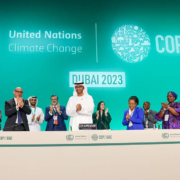
The recent COP28 held in Dubai has raised concerns within the environmental education community due to the absence of the term “education” in the discussions and strategies outlined. It is crucial that the concept of education be meaningfully integrated into global climate strategies, and the opportunity to do so presents itself tangibly at the 12th World Congress on Environmental Education (WEEC12) to be held in Abu Dhabi.

In particular, special attention is sought for the use of Artificial Intelligence (AI) in the field of environmental education. The transformative potential of this technology in enhancing the effectiveness of global climate education is clearly evident. Events related to COP28 have preluded this discourse, highlighting the fundamental and innovative role of AI in making sustainability approaches accessible and engaging.

The debates arising from events connected to COP28 clearly demonstrate that AI can play a crucial role in making environmental knowledge more widespread and engaging. Collaboration between environmental education experts and technology developers can contribute to the development of innovative educational tools and resources that fully leverage the potential of AI.

WEEC12 represents a unique opportunity to place the central role of environmental education on the agenda, with a specific emphasis on the integration of Artificial Intelligence. Addressing this issue proactively and collaboratively could shape a more sustainable future, where environmental knowledge becomes a driving force in the global fight against climate change.

Join our network and become part of the conversation on COP28! Send your contributions to secretariat@weecnetwork.org and help shape the environmental dialogue.

COP28 reminds us all of the urgency to attend WEEC12 in Abu Dhabi!

by Dr. Costis Toregas, The George Washington University

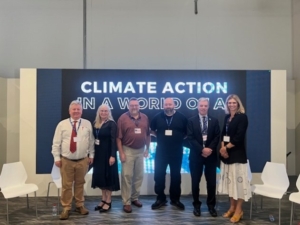
Left – right: Gerry Cunningham (EAGLES 2030) , Pat Cummens (Esri), Sean Breyer (Esri), Lee Mallon (Humanity), Erwin Rose (US State Dept), Valerie Hawley (Sorbonne Univ.)

The text that emerged from the lengthy discussions during COP28 just concluded in Dubai was hotly debated, and engaged the participants in difficult discussions of what language to include and which to exclude… and for some in the Environmental Education (EE) community, it rang a warning bell!  A quick key word search revealed that the word “Education” did not appear even once!  Of course no one will argue that education should be part of any global solution to climate change and the challenges of sustainability.  However, the modalities and strategies that will bring education as a supporting platform to the vital COP28 action verbs of Finance, Capacity Building and Technology Transfer must be rapidly deployed, discussed and agreed upon by relevant stakeholders.

And what a better place to do so than at WEEC12 in Abu Dhabi on January 29 through February 2, 2024!

To align the education agenda to the Technology Transfer actions, we can focus on the use of Artificial Intelligence (AI) in Environmental Education (EE), catalysing climate action  and contributing to environmental education.  In recent years the role of artificial intelligence (AI) has gained significant attention across the environmental and academic community.  The world is facing the triple planetary crisis – climate change, biodiversity loss and pollution – and technology and innovation has a key role to play in addressing these challenges.  There is an urgent need for innovative solutions to educate and engage the public in sustainable practices. This pathway will be amply demonstrated at WEEC12, with three sessions dedicated to the role of AI in enhancing the effectiveness of environmental education irrespective of geographic location, language barriers or technical infrastructural constraints.

To foreshadow these panels and underline the importance of EE, there were events at COP28 that addressed AI’s role in promoting new ways and tools for educators.

“AI is emerging as a powerful tool for how we learn about and interact with the environment, particularly through repackaging information and enhancing personalized learning experiences” said AI expert Lee Mallon, CTO of Humanity, Abu Dhabi at a COP28 side event on AI (see photo).  “Artificial Intelligence possesses the remarkable capability to transform extensive, 100-page reports on positive climate action into finely detailed narratives. This approach ensures that every individual across the globe can grasp the necessary steps for climate action. It tailors the information to align with the media channels that resonate most effectively with each person, enhancing their understanding and engagement in impactful environmental action”.

Other participants in the side event included US representative Erwin Rose who laid out a clear path for AI’s introduction as a powerful tool to support sustainability through the Climate Technology Centre and Network, eSRI representatives detailing location-based AI advances and EAGLES2030 chair Gerry Cunningham who offered practical strategies for implementation through collaboration.