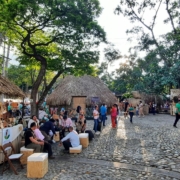
COP16, keys to biodiversity conservation
/in News, Press/by WEEC NetworkCOP16 on Biodiversity took place in Cali, Colombia, from October 21 to November 1, 2024. This important event brought together representatives from around 200 nations, industry experts, activists, and members of indigenous communities. The conference focused on diverse ideas and strategies for protecting biodiversity, a topic that is increasingly vital in light of the ongoing ecological crisis.
During COP16, Jason J. Pitman, co-organizer of the WEEC 2026 congress scheduled for Perth, Australia, actively engaged in crucial discussions and initiatives surrounding environmental conservation. Stay connected with us on social media and subscribe to our newsletter for updates. Soon, you can read his article sharing insights and experiences from this significant international gathering.
Biodiversity crisis
Our planet’s biodiversity is facing unprecedented pressure. The IPBES (Intergovernmental Science-Policy Platform on Biodiversity and Ecosystem Services) reports that one million species are at risk of extinction. This is primarily due to climate change, habitat loss, pollution, and the introduction of invasive species. This crisis endangers not only the species themselves but also the ecosystem services that humans rely on for survival and well-being.
The upcoming COP16 conference occurs against the backdrop of the Kunming-Montreal Agreement and the Global Biodiversity Framework (GBF). These initiatives aim to halt biodiversity loss and restore ecosystems by 2030. COP16’s mission is to translate these ambitious goals into concrete, measurable actions.
Results of the conference
Advisory Body for Indigenous Peoples: One of the conference’s most significant outcomes was the establishment of a permanent advisory body for indigenous peoples. This new organization aims to ensure that indigenous communities have a voice in biodiversity conservation decisions. These communities, who hold extensive traditional knowledge and sustainable practices, are crucial for protecting ecosystems and managing natural resources.
Cali Fund: The conference approved the Cali Fund, designed to facilitate the sharing of benefits derived from digital genetic information. This fund is particularly relevant for the pharmaceutical industry, which often accesses genetic resources without providing adequate compensation to local communities. However, the voluntary nature of the payments from the fund raises concerns about its effectiveness in ensuring a fair return for these communities.
Protection of Marine Areas: Another important agreement was the recognition and protection of ecologically and biologically significant marine areas (EBSAs). This decision includes the creation of an international advisory group to coordinate conservation efforts in international waters. Protecting our oceans is vital, as they are essential for climate regulation and marine biodiversity.
Funding and Governance: Despite the progress made, COP16 revealed a significant impasse regarding the funding necessary for biodiversity conservation. Developing countries, which host the majority of the world’s biodiversity, called for the establishment of a new fund with fair governance. Distrust in the Global Environment Facility (GEF) complicated negotiations, making it challenging to reach an agreement on funding.
Unfortunately, the funding promises from developed countries have fallen short of meeting the needs expressed by developing nations.
Facing the crisis and challenges
COP16 highlighted not only the successes but also the enormous challenges that remain in biodiversity conservation. Initiatives like the Cali Fund and the inclusion of indigenous peoples are significant steps, but they are insufficient without robust financial support and concrete implementation measures.
Another challenge is the need to monitor and evaluate progress towards the established goals. Without clear monitoring mechanisms, it is difficult to ensure that the adopted policies have a real impact on biodiversity conservation. Furthermore, the implementation of conservation measures must be accompanied by strategies for adapting to climate change, as many ecosystems are already under pressure from this phenomenon.
The issue of accountability and transparency in the management of biodiversity funds is crucial. Developing countries have expressed concern that existing funds have not been used effectively and that governance is often influenced by external interests, creating a disparity in resource control and decision-making regarding conservation.
Towards a sustainable future? Reflections on COP16 and biodiversity prospects
As we reflect on the developments of COP16, it becomes evident that while significant progress has been achieved, the conference underscored the fragility of international agreements concerning biodiversity. The creation of an advisory body for indigenous peoples and the establishment of the Cali Fund are positive steps forward. However, the absence of a clear financing agreement raises concerns.
It is crucial for the international community to ramp up efforts to ensure that funding commitments lead to tangible actions. Biodiversity is not solely an environmental issue; it is also deeply intertwined with economic and social factors. Protecting biodiversity equates to investing in the future of our planet and the well-being of future generations.
Furthermore, the active involvement of indigenous communities is essential. These groups possess a profound understanding of their lands and resources, along with a cultural and spiritual connection to nature that is vital for effective conservation. It is imperative that their rights are upheld and their voices are amplified.
COP16 should serve as a wake-up call for all of us. The biodiversity crisis is a global challenge that affects every citizen. We must work together, both locally and globally, to safeguard biodiversity, combat climate change, and secure a sustainable future. The path ahead is long, but COP16 has demonstrated that international collaboration is not only possible but necessary.
COP16 as a catalyst for change
The COP16 on biodiversity served as an essential platform for addressing the challenges and opportunities in biodiversity conservation. While some progress has been made, significant obstacles remain due to the lack of clear funding agreements and binding mechanisms. The future of our planet’s biodiversity hinges on our ability to collaborate, innovate, and commit to protecting the ecosystems and species that sustain it. Only through collective and concerted efforts can we hope to overcome the challenges ahead and ensure a healthy and vibrant planet for future generations.